
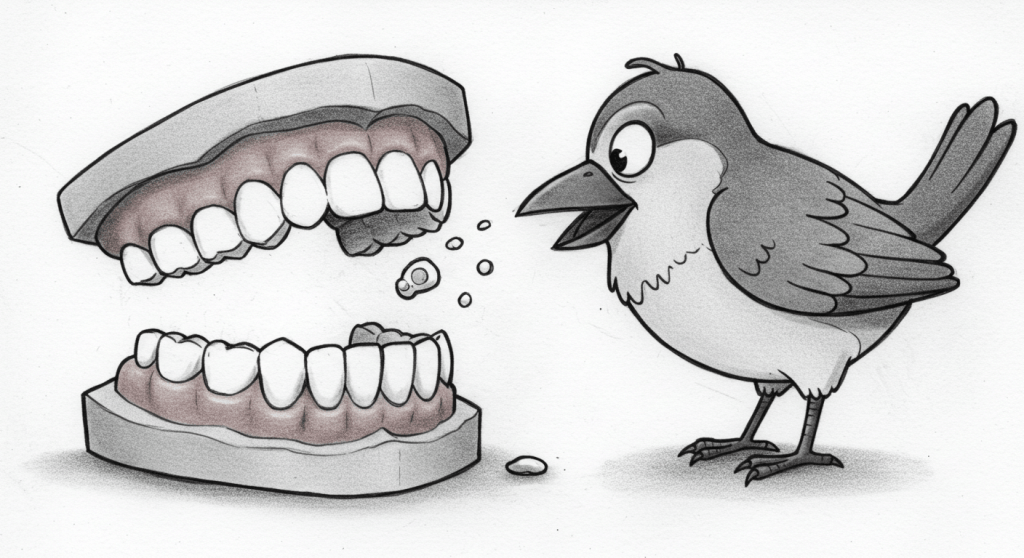
Donna Tartt and Zadie Smith are two of the most significant voices in contemporary literature, each having carved a distinctive niche with their compelling narratives and unique stylistic approaches. While both authors have achieved considerable critical and popular acclaim, their literary paths diverge in their creative processes, thematic preoccupations, and the worlds they meticulously construct within their novels. Tartt is celebrated for her immersive, character-driven narratives, often marked by meticulous prose and a focus on intense psychological states 1. Smith, on the other hand, is recognised for her witty, socially engaged novels that delve into the complexities of identity, race, and multiculturalism within the vibrant tapestry of modern urban life 3. This report will explore the contrasting and occasionally overlapping aspects of their literary endeavors, examining their writing processes, the recurring themes that animate their fiction, their critical reception, and the literary influences that have shaped their distinctive voices.
The initial framing of their work by critics reveals a notable distinction. Tartt’s debut, The Secret History, became strongly associated with the “dark academia” subgenre, emphasising the novel’s setting within an elite educational environment and exploring morally ambiguous, intellectually driven characters 5. This early categorisation likely influenced subsequent critical interpretations of her work. In contrast, Zadie Smith’s early career saw her work, particularly White Teeth, linked to “hysterical realism,” a term used to describe novels characterised by their manic energy, frequent digressions, and an encyclopedic approach to information 4. This difference in initial critical labels suggests fundamentally different approaches or perceived aims in their early careers, shaping the lens through which readers and critics approached their respective fictional worlds.
Furthermore, the frequency of their publications presents a stark contrast. Over three decades, Donna Tartt has published three meticulously crafted novels, each separated by approximately ten years 9. This deliberate pace contrasts sharply with Zadie Smith’s more frequent output, with a more significant number of novels and essay collections published within a similar timeframe. This difference in publication frequency likely reflects fundamental differences in their writing processes and underlying artistic philosophies, hinting at varying intensity levels in research, drafting, and revision.
Donna Tartt’s approach to writing is characterised by a meticulous and time-intensive process, often spanning a decade for each novel 9. A consistent element of her method is her initial reliance on handwriting. Tartt begins each novel by writing by hand in large college-ruled spiral notebooks using plain ballpoint pens 1. During this initial stage, she scribbles notes in red and blue pencil and sometimes staples index cards to the pages 14. Her handwritten process also involves scratching things out and underlining in different colors 15. This method, she has mentioned in interviews, forces her to slow down and engage deeply with each sentence as it takes shape on the page 9. For revisions, Tartt employs a color-coded system, using red, blue, and green pencils to mark changes, making the palimpsest easier to read and track 1. Only when her handwritten pages become excessively messy, often due to the physical act of cutting them up with scissors to rearrange sentences and paragraphs, does she transition to typing the text onto a computer 1. Even in the digital realm, her commitment to organisation persists, as she prints out drafts on different colors of paper, such as pink, blue, and grey, to easily distinguish between versions of her lengthy manuscripts 1. This emphasis on handwriting and the physical organisation of her drafts suggests a deep connection to the tactile aspects of writing and a need for meticulous control over the creative process, a stark contrast to authors who might favor a more immediate digital approach.
Beyond the physical act of writing, Tartt significantly emphasises concrete detail in her prose. She concentrates almost wholly on capturing sensory experiences, such as the specific color of a room or the way a drop of water rolls off a wet leaf after a rain 14. This focus on tangible elements contributes to the immersive quality that is a hallmark of her fiction. Her daily writing routine, when working on a novel, involves writing for approximately three hours in the morning 15. She prefers to work in quiet rooms, finding the overheard sounds of television particularly disruptive. However, she notes that she can generally work almost anywhere as long as her day is free from interruptions 15. To maintain the necessary level of concentration and immersion, Tartt tends to avoid social engagements during her writing periods 1. A crucial aspect of her creative process is extensive research and deep immersion into the world she creates 9. For The Little Friend, she spent considerable time in the American South, absorbing the region’s atmosphere and intricacies to lend authenticity to the novel’s Southern Gothic feel 9. For The Goldfinch, her research involved years of studying art history, visiting museums, and interviewing experts to ensure the accuracy of the novel’s artistic elements 9. Interestingly, the initial inspiration for The Goldfinch began some twenty years before its publication, with notes she had taken during a stay in Amsterdam 11. Similarly, for her debut, The Secret History, Tartt delved into classical studies and historical texts to create a believable and immersive academic world 9. The decade-long gestation period for each of her novels is a significant factor in her literary output. It undoubtedly contributes to the richness and intricate detail found in her work. This patient and thorough approach is a conscious artistic choice, reflecting her belief in the importance of quality over the speed often prioritised in the publishing industry 1. Tartt’s editor at Knopf, Gary Fisketjon, noted her extraordinary confidence in her writing and her patience over the years to refine it 16.
Furthermore, Tartt has likened her process to a cabinetmaker who builds a cabinet every few years, emphasising the time and care she invests in each project 16. While she acknowledges that many have encouraged her to write faster, such pressure makes her unhappy, reinforcing her commitment to her deliberate pace 1. Tartt has also described her initial idea generation as a somewhat “dreamlike and unconscious process,” where many different elements come together unexpectedly over a long period, suggesting that her stories germinate slowly, drawing from various inspirations 16. She has mentioned that for her, a novel often starts with a place and a mood, highlighting the importance of atmosphere in her creative genesis 15.
In contrast, Zadie Smith’s writing process appears more flexible and seemingly less bound by rigid rituals 20. Her method for beginning a novel is often uncomplicated; she typically starts by writing just a sentence or two, usually aiming to establish a particular tone from the outset 20. In an interview, Smith described her process as “very kind of last minute,” suggesting a more spontaneous approach to the initial stages of creation 20. Unlike Tartt’s meticulous planning and physical organisation, Smith reports not having a specific method for deciding on titles for her works, stating that she doesn’t spend much time on this aspect and tends not to think twice about it 20. In the plot development in her novels and essays, Smith emphasises a “deep belief in the emotional weight of plot” and states that her approach is to “follow where my curiosity takes me” 21. She also appreciates a certain degree of randomness in fiction, believing that “the truth, in my opinion, is unavoidably strange” 21. Notably, Smith does not distinguish between writing novels and essays, approaching both forms with the same dedication to doing her best job with the task at hand 22. This suggests a fluidity in her creative practice, moving between fiction and non-fiction with a consistent focus on the quality of her writing.
Smith’s reading habits also seem to play a more active role in her writing process than what is described for Tartt. She often keeps open novels on her desk while writing, using them to “swim in a certain sensibility” or to “strike a particular note” 25. She likens this practice to maintaining a balanced diet for her writing, suggesting that reading different authors can counteract tendencies in her prose 25. While some writers prefer to avoid reading fiction while working on their novels, Smith embraces this intertextual approach 26. A key element of Smith’s craft is her focus on sentence-level construction. She believes that writing ultimately boils down to the quality of the sentences on the page and emphasises the importance of crafting good sentences 25. In an interview, she mentioned writing line by line in a very minute way and editing each page as she progresses 29.
Regarding her daily writing habits, Smith agreed with fellow author Jeffrey Eugenides that around eight hundred words constitutes a good day’s work, although she noted that she could write more as a child 25. However, she finds that the quality of her work tends to decline after approximately four hours of writing 25. Unlike Tartt’s preference for secluded quiet, Smith reports not needing a fancy private place to write 30. However, she recommends working on a computer disconnected from the internet to minimise distractions, a practical tip that contrasts with Tartt’s reliance on handwritten drafts 25. The time taken to complete a novel can also vary for Smith. She mentioned that one of her novels took seven years of “figuring out what I was doing” followed by about four months of proper writing, highlighting a potentially more iterative and exploratory process 21. Smith also explicitly rejects the romanticised notion of a “writer’s lifestyle,” emphasising that the focus should remain on the work itself – the sentences left on the page 25. Her editing process involves leaving a significant amount of time between writing and editing, sometimes suggesting stepping away from a completed manuscript for years to gain a fresh perspective and clarity 25.
The thematic landscapes that Donna Tartt and Zadie Smith explore reveal shared and distinct interests. Morality and guilt are significant recurring themes in Tartt’s novels. In The Secret History, the narrative delves into the consequences of the students’ actions and their complex responses to the murders they commit, with varying degrees of remorse and psychological torment 32. Guilt also plays a role in The Goldfinch, particularly in Theo’s possession of the stolen painting 38. Beauty and terror are intrinsically linked in The Secret History, where the pursuit of aesthetic ideals and the allure of classical antiquity lead to acts of violence, highlighting the terrifying potential within beauty 32. In The Goldfinch, the value of art and beauty emerges as a central theme, with the painting itself serving as a symbol of enduring worth in a world marked by loss and chaos 36. The past exerts a powerful influence on Tartt’s characters across her novels. The unexplained death of Robin in The Little Friend casts a long shadow over his family and drives the narrative 36. Similarly, the weight of past secrets and undisclosed truths fuels the events of The Secret History 32, and Theo’s past trauma and the memory of his mother are central to his journey in The Goldfinch 36. Isolation and alienation are also prominent. The insular group of classics students in The Secret History exists in a self-imposed isolation 32, Harriet experiences loneliness within her family in The Little Friend 45, and Theo grapples with feelings of isolation even amidst various relationships in The Goldfinch 35. The consequences of secrets form a central thematic thread in The Secret History 32, while family secrets also play a role in The Little Friend 46, and Theo’s secret of the stolen painting drives much of the plot in The Goldfinch 36. A loss of innocence is a common experience for Tartt’s protagonists, often occurring through traumatic events and moral compromises 36. Obsession is another recurring motif, whether it is Richard’s fascination with the classics group in The Secret History 36, Harriet’s determination to solve her brother’s murder in The Little Friend 36, or Theo’s entanglement with The Goldfinch painting in The Goldfinch 36. Finally, social class and elitism are explored in The Secret History through Richard’s working-class background and his aspiration to fit into the privileged world of his classmates 32, with class dynamics also subtly present in The Little Friend 46.
Zadie Smith’s thematic focus is deeply rooted in the complexities of contemporary, multicultural society, particularly within urban environments. In its various forms (racial, cultural, and personal), identity is a central theme across her novels, including White Teeth, The Autograph Man, On Beauty, NW, and Swing Time 3. Race and racism are also prominently explored in many of her works, including White Teeth, On Beauty, NW, and Swing Time, as she examines the impact of racial dynamics on her characters’ lives and relationships 3. Class and social mobility are significant themes in White Teeth, On Beauty, NW, and Swing Time, reflecting the socio-economic disparities within her urban settings and the characters’ struggles to navigate them 53. Culture and multiculturalism are central to White Teeth, The Autograph Man, On Beauty, and NW, highlighting the complexities and richness of life in a diverse society 3. Urban life, particularly in London, serves as a significant setting and theme in White Teeth, The Autograph Man, NW, and Swing Time, with the city itself often acting as a character that shapes the experiences of its inhabitants 3. Family dynamics are explored in White Teeth, On Beauty, NW, and Swing Time, often within the context of cultural and societal shifts 3. Finally, history and its enduring influence are present in White Teeth and Swing Time, demonstrating how the past continues to shape the present lives and identities of the characters 53. Social mobility is a particularly prominent theme in NW, reflecting the characters’ varying trajectories after growing up in the same council estate 69.
While both Tartt and Smith engage with complex moral issues, their approaches differ. Tartt often examines morality through the lens of individual transgression and its psychological aftermath. In contrast, Smith explores morality within the context of social structures, inequalities, and the ethical dilemmas of contemporary life. This difference in focus reflects their broader thematic preoccupations and perspectives on the relationship between the individual and society. The role of the setting also presents a contrast. Tartt’s settings, such as the isolated Hampden College, the atmospheric rural Mississippi, and the rarefied New York art world, often create a heightened atmosphere and contribute to the themes of isolation or obsession 5. In contrast, Smith’s London is a dynamic, multicultural space that actively shapes the identities and experiences of her characters, serving as a microcosm of the broader societal issues she explores 3.
Donna Tartt’s writing style is characterised by immersive, detailed prose, often described as “luxuriant” 16. Her novels are known for their film-style settings 5 and meticulous attention to sensory detail, creating vivid and atmospheric worlds 9. Her openings are frequently strong and plot-centric, sometimes employing a “whodunit in reverse” structure, immediately revealing the crime and the perpetrators to focus on the motivations and consequences 5. Tartt’s character development is often lauded, with critics praising her ability to create complex and compelling individuals with distinct motivations 1. However, some critics have described her style as potentially “sugary” or “over-refined” 87 and occasionally “bombastic” 49. Her pacing is often slow and deliberate, allowing for a gradual unfolding of the narrative and a deep exploration of character psychology 9.
In contrast, Zadie Smith’s writing style is often witty, sharp, and deeply engaged with social commentary 4. Her style can be experimental, incorporating a variety of narrative perspectives and techniques, including stream-of-consciousness and fragmented structures, particularly in novels like NW 4. She is known for her intense and realistic dialogue and ability to make astute and often humorous observations about contemporary life 80. Smith’s work has been associated with “hysterical realism” 4 due to its energetic pace, diverse characters, and incorporation of various cultural references and digressions 4. Some critics have found her prose “intelligent” and “exuberant” 89. Smith significantly emphasises sentence-level construction, crafting precise and impactful sentences that often carry a great deal of meaning 16.
The critical reception of Donna Tartt has been marked by significant popular success, with her novels frequently topping bestseller lists 4. However, critical reception has been more divided. Many praise her meticulous storytelling, immersive prose, and ability to create compelling characters 2. Conversely, others have criticised her work as overly long, emotionally detached, or leaning more towards entertainment than serious literary art 87. Notably, The Goldfinch elicited a particularly polarised response, receiving both the Pulitzer Prize for Fiction and some of the harshest critical reviews of recent memory 9. Some academics have observed that her work has received less scholarly attention than other contemporary authors 90. Despite this, she maintains a dedicated and enthusiastic readership and has been cited as a significant influence in the “dark academia” genre, which has gained considerable popularity, particularly online 5.
On the other hand, Zadie Smith gained widespread recognition and critical acclaim with her debut novel, White Teeth, which was both a commercial and critical success 3. She is often considered “one of this generation’s most vital literary voices,” praised for her insightful explorations of contemporary society 93. While generally well-received, some critics initially found her early work, associated with “hysterical realism,” to be overly manic or lacking in emotional depth 6. Some readers also lack connection with certain characters or find her stories less engaging 89. Her non-fiction essays have also garnered significant praise, showcasing her sharp intellect and insightful observations on a range of topics 25. Smith is also a respected literary critic and holds a tenured position in creative writing at New York University, further solidifying her standing within the literary establishment 4.
Both Tartt and Smith draw upon a rich literary heritage, but their specific influences and the way these influences manifest in their work reveal distinct literary lineages. Donna Tartt has explicitly cited a range of authors as significant influences, including Homer, the Greek poets and tragedians, Dante, Shakespeare, Dickens, Nabokov, Proust, Dostoevsky, Yeats, Borges, Edith Wharton, Evelyn Waugh, Salinger, and Virginia Woolf 15. Charles Dickens was a formative influence during her childhood, shaping her understanding of character and storytelling 15. She has also mentioned early loves such as Peter Pan, Oliver Twist, David Copperfield, Great Expectations, and Dr. Jekyll and Mr. Hyde 19. For The Secret History, she acknowledged the influence of Nabokov, Orwell, Waugh, Stevenson, Highsmith, and Shirley Jackson, and noted that Brideshead Revisited was also an inspiration 98. Her university writing teacher, Barry Hannah, played a role in encouraging her to develop her unique voice 16. She also appreciated the painter Johnson Heade’s meticulous attention to detail, a quality that resonates with her own descriptive prose 16. Zadie Smith’s literary influences are equally diverse, encompassing figures like Susan Sontag, John Berger, and David Foster Wallace, whose impact is evident in her essay writing 25. She admires Shakespeare’s ability to embody multiple perspectives and draws inspiration from Keats and Stephen Greenblatt 99. Like Tartt, Smith also grew up reading Victorian novels, including the works of Dickens 99. Other acknowledged influences include Nabokov, E.M. Forster, and Zora Neale Hurston 84. James Joyce has been a particularly significant influence, especially on her novel NW, which echoes Joyce’s portrayal of Dublin in its detailed depiction of Northwest London 84. Virginia Woolf is another key influence, particularly in her use of stream-of-consciousness and exploration of interiority 68.
In conclusion, while both celebrated contemporary novelists, Donna Tartt and Zadie Smith exhibit distinct approaches to their craft and explore different thematic territories. Tartt’s meticulous and time-intensive writing process yields richly detailed narratives that often delve into the darker aspects of human nature within enclosed, privileged worlds, marked by themes of morality, guilt, beauty, and the enduring power of the past. Her style is characterised by immersive prose and a deliberate pace, creating a lingering sense of mystery and psychological depth. With her more flexible and immediate writing process, Smith crafts witty and socially engaged novels that grapple with the complexities of identity, race, class, and urban life in a rapidly evolving multicultural society. Her stylistic versatility and sharp social commentary have established her as a significant voice in contemporary literature. While both authors draw upon a rich literary heritage, their specific influences and critical reception highlight their unique contributions to the literary landscape. Tartt’s legacy lies in her ability to create captivating and enduring narratives that explore the timeless themes of human transgression and its consequences. At the same time, Smith’s contribution is her insightful and often humorous examination of our time’s pressing social and cultural issues. Further study could explore the evolution of their stylistic choices across their careers or delve deeper into specific thematic parallels and divergences within their respective bodies of work.
Table 1: Comparison of Writing Processes
| Feature | Donna Tartt | Zadie Smith |
| Starting Method | Writes first by hand in notebooks using ballpoint pens, scribbles notes in red and blue pencil, and staples note cards 1. | Begins novels by writing a sentence or two, aiming for a particular tone 20; process described as “very kind of last minute” 20. |
| Revision Process | Uses colored pencils (red, blue, then green) for revisions to track changes 1; revises extensively, rewriting passages multiple times 9. | Leaves a decent space between writing and editing 25; suggests stepping away for years to gain clarity 31. |
| Daily Routine | Writes for about three hours in the morning 15; prefers quiet rooms without overheard television 15; avoids social engagements to maintain concentration 1. | Aims for around eight hundred words a day; work quality may decline after four hours 25; doesn’t need a fancy private place to write 30; prefers to work on a computer disconnected from the internet 25. |
| Time Taken per Novel | Approximately ten years per novel; debut took nine years 9. | One novel took seven years of figuring out and four months of proper writing 21. |
| Key Characteristics | Meticulous, time-intensive, emphasis on handwriting and physical organisation, focusing on concrete detail, extensive research and immersion, strong emphasis on perfection and revision, “dreamlike and unconscious” initial idea generation 1. Often starts with place and mood 15. | More flexible, less bound by ritual, focus on tone and sentence-level construction, reads while writing, no specific method for titles, emphasises the emotional weight of the plot, doesn’t romanticise writing, edits after a significant time gap 20. |
Table 2: Comparison of Recurring Themes
| Theme | Donna Tartt | Zadie Smith |
| Identity | The Secret History 34; The Little Friend; The Goldfinch | White Teeth 3; The Autograph Man 57; On Beauty 62; NW 68; Swing Time 74 |
| Morality & Guilt | The Secret History 32; The Goldfinch 38 | Explored across her novels |
| The Past | The Little Friend 36; The Secret History 32; The Goldfinch 36 | White Teeth 53; Swing Time 75 |
| Urban Life | The Goldfinch (New York, Amsterdam); The Little Friend (Mississippi town); The Secret History (Vermont college town) | White Teeth 3; The Autograph Man 58; NW 68; Swing Time 75 |
| Race & Racism | White Teeth 3; On Beauty 63; NW 68; Swing Time 74 | |
| Class & Social Mobility | The Secret History 32; The Little Friend 46 | White Teeth 53; On Beauty 66; NW 69; Swing Time 74 |
| Culture & Multiculturalism | White Teeth 3; The Autograph Man 58; On Beauty 63; NW 71 | |
| Family Dynamics | The Little Friend 36; The Goldfinch 36 | White Teeth 3; On Beauty 63; NW 71; Swing Time 78 |
| Isolation & Alienation | The Secret History 32; The Little Friend 45; The Goldfinch 35 | Explored across her novels |
| Consequences of Secrets | The Secret History 32; The Little Friend 46; The Goldfinch 36 | Explored across her novels |
| Loss of Innocence | The Secret History 33; The Little Friend 36; The Goldfinch 36 | Explored across her novels |
| Obsession | The Secret History 36; The Little Friend 36; The Goldfinch 36 | The Autograph Man 57 |
| History & its Influence | White Teeth 53; Swing Time 75 | |
| Social Mobility | NW 69 | |
| Beauty & Terror/Value of Art | The Secret History 32; The Goldfinch 36 | On Beauty 62 |
Table 3: Comparison of Critical Reception and Influences
| Aspect | Donna Tartt | Zadie Smith |
| Overall Reception | Significant widespread attention, divided critical reception 4. | Critical and commercial success, regarded as a vital contemporary voice 3. |
| Common Praise | Meticulous storytelling, immersive prose, compelling characters 2. | Insightful exploration of modern society, witty and sharp prose, intense dialogue 4. |
| Common Criticism | Overly long, lacking heart, more entertainment than serious art 87; polarised reception for The Goldfinch 9. | Early work associated with “hysterical realism” was criticised for being manic or lacking emotional depth 6; some readers find characters or stories unengaging 89. |
| Key Literary Influences | Homer, Greek tragedians, Dante, Shakespeare, Dickens, Nabokov, Proust, Dostoevsky, Yeats, Borges, Wharton, Waugh, Salinger, Woolf 15; Dickens (childhood) 15; Nabokov, Orwell, Waugh, Stevenson, Highsmith, Shirley Jackson (Secret History) 98; Brideshead Revisited 98; Barry Hannah (teacher) 16; Johnson Heade (painter) 16. | Susan Sontag, John Berger, David Foster Wallace (essays) 25; Shakespeare, Keats, Greenblatt 99; Victorian novels (including Dickens) 99; Nabokov, Forster, Hurston 84; James Joyce 84; Virginia Woolf 68. |
Works cited
- Spotlight on: Donna Tartt – Kim Hooper’s Blog, accessed on March 30, 2025, https://blog.kimhooperwrites.com/2016/11/06/spotlight-on-donna-tartt/
- 10 Great Contemporary Fiction Authors | Audible.com, accessed on March 30, 2025, https://www.audible.com/blog/article-best-contemporary-authors
- White Teeth: Study Guide – SparkNotes, accessed on March 30, 2025, https://www.sparknotes.com/lit/white-teeth/
- Zadie Smith | EBSCO Research Starters, accessed on March 30, 2025, https://www.ebsco.com/research-starters/literature-and-writing/zadie-smith
- How to Write Like Donna Tartt | The Blog | The Novelry, accessed on March 30, 2025, https://www.thenovelry.com/blog/how-to-write-like-donna-tartt
- Zadie Smith – Wikipedia, accessed on March 30, 2025, https://en.wikipedia.org/wiki/Zadie_Smith
- Introduction: Big Novel Ambition without Apology – Duke University Press, accessed on March 30, 2025, https://read.dukeupress.edu/genre/article/54/1/1/173583/IntroductionBig-Novel-Ambition-without-Apology
- A Hysterical Response: Zadie Smith’s “Swing Time” – Maudlin House, accessed on March 30, 2025, https://maudlinhouse.net/a-hysterical-response-zadie-smiths-swing-time/
- Donna Tartt’s Decade-Long Writing Process: The Art of Patience and …, accessed on March 30, 2025, https://www.timesnownews.com/lifestyle/books/features/donna-tartts-decade-long-writing-process-the-art-of-patience-and-perfection-article-112373492
- Donna Tartt – Wikipedia, accessed on March 30, 2025, https://en.wikipedia.org/wiki/Donna_Tartt
- Donna Tartt: Physical Writing Process – Joseph Patrick Pascale, accessed on March 30, 2025, https://www.josephpatrickpascale.com/post/the-physical-writing-process
- Donna Tartt & Allan Gurganus on Writing, Inspiration & the South – The Airship, accessed on March 30, 2025, http://airshipdaily.com/blog/donna-tartt-allan-gurganus
- How Long Does it Take to Write a Novel? – Blue Pencil Agency, accessed on March 30, 2025, https://bluepencilagency.com/how-long-does-it-take-to-write-a-novel/
- Your guide to mysterious literary genius Donna Tartt | Dazed, accessed on March 30, 2025, https://www.dazeddigital.com/life-culture/article/38063/1/your-guide-to-mysterious-literary-genius-donna-tartt
- Donna Tartt, the writing life – Rivista Studio, accessed on March 30, 2025, https://www.rivistastudio.com/donna-tartt-intervista/
- Donna Tartt Quotes on Writing – Language is a Virus, accessed on March 30, 2025, https://www.languageisavirus.com/donna-tartt/about-writing.php
- The Physical Writing Process: Donna Tartt – Multicolored Pencils, Polychrome Paper, accessed on March 30, 2025, http://josephpascale.blogspot.com/2014/08/the-physical-writing-process-donna_24.html
- Author Q & A : A Conversation with Donna Tartt, Author of The Little Friend – Language is a Virus, accessed on March 30, 2025, https://www.languageisavirus.com/donna-tartt/interviews-random-house-qa.php
- Interview with Donna Tartt – Goodreads, accessed on March 30, 2025, https://www.goodreads.com/interviews/show/893.Donna_Tartt
- tuftsdaily.com, accessed on March 30, 2025, https://tuftsdaily.com/news/2012/03/28/zadie-smith-discusses-work-writing-process/#:~:text=Her%20writing%20method%20is%20uncomplicated,no%20method%2C%22%20she%20said.
- Zadie Smith discusses work, writing process – The Tufts Daily, accessed on March 30, 2025, https://tuftsdaily.com/news/2012/03/28/zadie-smith-discusses-work-writing-process/
- internationalwriterscollective.com, accessed on March 30, 2025, https://internationalwriterscollective.com/do-it-like-zadie-smith/#:~:text=I%20don’t%20make%20any,the%20end%20of%20the%20story.%E2%80%9D
- Do It Like Zadie Smith – International Writers’ Collective, accessed on March 30, 2025, https://internationalwriterscollective.com/do-it-like-zadie-smith/
- The versatility of Zadie Smith in fiction and non-fiction – books – Reddit, accessed on March 30, 2025, https://www.reddit.com/r/books/comments/16mzyfc/the_versatility_of_zadie_smith_in_fiction_and/
- Zadie Smith. Writing Tips. — Then Do Better, accessed on March 30, 2025, https://www.thendobetter.com/arts/2017/10/24/zadie-smith-writing-tips
- Zadie Smith on Reading While You Write – Literary Hub, accessed on March 30, 2025, https://lithub.com/zadie-smith-on-reading-while-you-write/
- Zadie Smith: 10 Good Writing Habits – Gotham Writers Workshop, accessed on March 30, 2025, https://www.writingclasses.com/toolbox/tips-masters/zadie-smith-10-good-writing-habits
- Zadie Smith’s 10 Rules of Writing – Writing Workshops, accessed on March 30, 2025, https://writingworkshops.com/blogs/news/zadie-smiths-10-rules-of-writing
- 2021 Craft Talk with Zadie Smith – YouTube, accessed on March 30, 2025, https://www.youtube.com/watch?v=fhgKCsGW_1k
- 10-11 Interview with Zadie Smith – West 10th, accessed on March 30, 2025, https://www.west10th.org/10-11-interview-with-zadie-smith
- Zadie Smith on the craft of writing – Some Notes From A Broad, accessed on March 30, 2025, https://www.somenotesfromabroad.com/zadie-smith-on-the-craft-of-writing/
- IDH2930 Syllabus – The Secret History – UF Honors Program – University of Florida, accessed on March 30, 2025, https://www.honors.ufl.edu/media/honorsufledu/syllabi/spring-20/The-Secret-History.pdf
- The Human Capacity for Violence Theme in The Secret History | LitCharts, accessed on March 30, 2025, https://www.litcharts.com/lit/the-secret-history/themes/the-human-capacity-for-violence
- The Secret History Themes | LitCharts, accessed on March 30, 2025, https://www.litcharts.com/lit/the-secret-history/themes
- The Secret History: Themes | SparkNotes, accessed on March 30, 2025, https://www.sparknotes.com/lit/the-secret-history/themes/
- Existence and Experience in the Fiction of Donna Tartt – IS MUNI, accessed on March 30, 2025, https://is.muni.cz/th/vsacd/Existence_and_Experience_in_the_Fiction_of_Donna_Tarttfinalni.pdf
- The Secret History: Dark Secrets of Academic Obsession and Moral …, accessed on March 30, 2025, https://timesofindia.indiatimes.com/life-style/books/features/the-secret-history-dark-secrets-of-academic-obsession-and-moral-ambiguity/articleshow/103517319.cms
- The Goldfinch (novel) – Wikipedia, accessed on March 30, 2025, https://en.wikipedia.org/wiki/The_Goldfinch_(novel)
- The Secret History – Wikipedia, accessed on March 30, 2025, https://en.wikipedia.org/wiki/The_Secret_History
- thischickreads.com, accessed on March 30, 2025, https://thischickreads.com/book-review-the-goldfinch-by-donna-tartt/#:~:text=In%20the%20end%2C%20the%20painting,art%20on%20the%20human%20soul.
- The Goldfinch Themes | LitCharts, accessed on March 30, 2025, https://www.litcharts.com/lit/the-goldfinch/themes
- Friendship and Family Theme in The Goldfinch – LitCharts, accessed on March 30, 2025, https://www.litcharts.com/lit/the-goldfinch/themes/friendship-and-family
- Book Review & Synopsis: The Goldfinch by Donna Tartt – This Chick Reads, accessed on March 30, 2025, https://thischickreads.com/book-review-the-goldfinch-by-donna-tartt/
- The Little Friend – Wikipedia, accessed on March 30, 2025, https://en.wikipedia.org/wiki/The_Little_Friend
- Reading Guide from The Little Friend – Penguin Random House Canada, accessed on March 30, 2025, https://www.penguinrandomhouse.ca/books/176616/the-little-friend-by-donna-tartt/reading-guide
- Discovering Themes in The Little Friend by Donna Tartt – Bookish Bay, accessed on March 30, 2025, https://bookishbay.com/the-little-friend/
- Book review of The Little Friend, by Donna Tartt | Dream of Home, accessed on March 30, 2025, https://www.dreamofhome.co.uk/2017/08/08/the-little-friend-donna-tartt-book-review/
- http://www.penguinrandomhouse.com, accessed on March 30, 2025, https://www.penguinrandomhouse.com/books/176616/the-little-friend-by-donna-tartt/9781400031696/readers-guide/#:~:text=Donna%20Tartt%20brilliantly%20captures%20the,memories%20and%20self%2Dinflicted%20wounds.
- On Donna Tartt : r/literature – Reddit, accessed on March 30, 2025, https://www.reddit.com/r/literature/comments/1hsh1yl/on_donna_tartt/
- Review: ‘The Secret History’ by Donna Tartt – A Universe in Words, accessed on March 30, 2025, http://universeinwords.blogspot.com/2016/05/review-secret-history-by-donna-tartt.html
- Donna Tartt, The Secret History – John Pistelli, accessed on March 30, 2025, https://johnpistelli.com/2020/09/23/donna-tartt-the-secret-history/
- kinnu.xyz, accessed on March 30, 2025, https://kinnu.xyz/kinnuverse/culture/great-novels/white-teeth/#:~:text=*White%20Teeth*%20follows%20the%20intertwining,the%20rapidly%20changing%20modern%20world.
- White Teeth Themes – LitCharts, accessed on March 30, 2025, https://www.litcharts.com/lit/white-teeth/themes
- Race, Racism, and Multiculturalism Theme in White Teeth | LitCharts, accessed on March 30, 2025, https://www.litcharts.com/lit/white-teeth/themes/race-racism-and-multiculturalism
- White Teeth – Zadie Smith | Kinnu, accessed on March 30, 2025, https://kinnu.xyz/kinnuverse/culture/great-novels/white-teeth/
- Zadie Smith’s ‘White Teeth’ – (Intro to Contemporary Literature) – Fiveable, accessed on March 30, 2025, https://library.fiveable.me/key-terms/introduction-contemporary-literature/zadie-smiths-white-teeth
- norerolls.co.uk, accessed on March 30, 2025, https://norerolls.co.uk/2023/09/23/plotting-the-unplayable-the-autograph-man-by-zadie-smith/#:~:text=The%20Autograph%20Man%20was%20published,rich%20tapestry%20of%20human%20experience.
- Plotting the Unplayable: The Autograph Man by Zadie Smith – No Rerolls, accessed on March 30, 2025, https://norerolls.co.uk/2023/09/23/plotting-the-unplayable-the-autograph-man-by-zadie-smith/
- The Autograph Man | ReadingGroupGuides.com, accessed on March 30, 2025, https://www.readinggroupguides.com/reviews/the-autograph-man
- The Autograph Man by Zadie Smith – Reading Guide: 9780375703874 – PenguinRandomHouse.com: Books, accessed on March 30, 2025, https://www.penguinrandomhouse.com/books/169679/the-autograph-man-by-zadie-smith/9780375703874/readers-guide/
- Zadie Smith – The Autograph Man – The Bobsphere – WordPress.com, accessed on March 30, 2025, https://thebobsphere.wordpress.com/2019/09/09/zadie-smith-the-autograph-man/
- dspace.unive.it, accessed on March 30, 2025, http://dspace.unive.it/bitstream/handle/10579/16577/868976-1231099.pdf?sequence=2#:~:text=English%20author%20well%2Dknown%20for,above%20and%20invites%20further%20debate.
- On Beauty – Wikipedia, accessed on March 30, 2025, https://en.wikipedia.org/wiki/On_Beauty
- On Beauty Themes | LitCharts, accessed on March 30, 2025, https://www.litcharts.com/lit/on-beauty/themes
- Race and Identity Theme in On Beauty | LitCharts, accessed on March 30, 2025, https://www.litcharts.com/lit/on-beauty/themes/race-and-identity
- On beauty by Zadie Smith – Adeptales, accessed on March 30, 2025, https://adeptales.com/2022/07/on-beauty-by-zadie-smith/
- Beauty, Sexuality and Identity in Zadie Smith’s On Beauty – DSpace Home, accessed on March 30, 2025, http://dspace.unive.it/bitstream/handle/10579/16577/868976-1231099.pdf?sequence=2
- lit.newcity.com, accessed on March 30, 2025, https://lit.newcity.com/2012/09/10/fiction-review-nw-by-zadie-smith/#:~:text=%E2%80%9CNW%E2%80%9D%20is%20light%20on%20plotting,back%20and%20forth%20in%20time.
- NW Zadie Smith: Themes & Book Summary | StudySmarter, accessed on March 30, 2025, https://www.studysmarter.co.uk/explanations/english-literature/novelists/nw-zadie-smith/
- NW Themes – LitCharts, accessed on March 30, 2025, https://www.litcharts.com/lit/nw/themes
- NW Zadie Smith: Themes & Book Summary – Vaia, accessed on March 30, 2025, https://www.vaia.com/en-us/explanations/english-literature/novelists/nw-zadie-smith/
- Teaching Zadie Smith’s NW as a Global Text – Multilingual Pedagogy and World Englishes, accessed on March 30, 2025, https://multilingualpedagogy.lmc.gatech.edu/teaching-zadie-smiths-nw-as-a-global-text/
- Fiction Review: “NW” by Zadie Smith | Newcity Lit, accessed on March 30, 2025, https://lit.newcity.com/2012/09/10/fiction-review-nw-by-zadie-smith/
- thebobsphere.wordpress.com, accessed on March 30, 2025, https://thebobsphere.wordpress.com/2018/05/11/zadie-smith-swing-time/#:~:text=Also%20it’s%20her%20best%20and,is%20just%20skimming%20the%20surface.
- Swing Time, by Zadie Smith | Fiction Writers Review, accessed on March 30, 2025, https://fictionwritersreview.com/review/swing-time-by-zadie-smith/
- By the Book #29 – Swing Time by Zadie Smith – The Open Book, accessed on March 30, 2025, https://the-openbook.com/2021/08/22/by-the-book-29-swing-time-by-zadie-smith/
- Zadie Smith – Swing Time – The Bobsphere – WordPress.com, accessed on March 30, 2025, https://thebobsphere.wordpress.com/2018/05/11/zadie-smith-swing-time/
- Themes from Swing Time – Bartleby.com, accessed on March 30, 2025, https://www.bartleby.com/lit/swing-time/themes
- Swing Time by Zadie Smith – Lonesome Reader, accessed on March 30, 2025, https://lonesomereader.com/blog/2016/11/4/swing-time-by-zadie-smith
- Where to start with Zadie Smith: a guide to her best books | The Booker Prizes, accessed on March 30, 2025, https://thebookerprizes.com/the-booker-library/features/where-to-start-with-zadie-smith-a-guide-to-her-best-books
- Author Zadie Smith: What’s Her Best Work? – EBONY Magazine, accessed on March 30, 2025, https://www.ebony.com/zadie-smith-novels-overview/
- Zadie Smith – The Bobsphere, accessed on March 30, 2025, https://thebobsphere.wordpress.com/category/zadie-smith/
- 10 Friendship Books To Read Together With Your Friends – Insightful Reading by Bookly, accessed on March 30, 2025, https://blog.getbookly.com/10-friendship-books/
- NW Study Guide – Zadie Smith – LitCharts, accessed on March 30, 2025, https://www.litcharts.com/lit/nw
- Zadie Smith for those who stay – Medium, accessed on March 30, 2025, https://medium.com/@chiarapuntil/zadie-smith-for-those-who-stay-17d06455a0df
- Finished ‘The Secret History’. Who else writes like Donna Tartt? : r/books – Reddit, accessed on March 30, 2025, https://www.reddit.com/r/books/comments/15li8zl/finished_the_secret_history_who_else_writes_like/
- Modern Classic or Self-Indulgent Slog:Donna Tartt’s The Secret History – BookMarks reviews, accessed on March 30, 2025, https://bookmarks.reviews/modern-classic-or-self-indulgent-slogdonna-tartts-the-secret-history/
- DISCUSSION: Donna Tartt’s The Secret History is somewhat flawed but I still had a PHENOMENAL time reading it. : r/books – Reddit, accessed on March 30, 2025, https://www.reddit.com/r/books/comments/1c99lso/discussion_donna_tartts_the_secret_history_is/
- Does anyone else find Zadie Smith horribly overrated? : r/literature – Reddit, accessed on March 30, 2025, https://www.reddit.com/r/literature/comments/10dd4s/does_anyone_else_find_zadie_smith_horribly/
- Fooled You: On Donna Tartt’s Genre Fiction | Los Angeles Review of Books, accessed on March 30, 2025, https://lareviewofbooks.org/article/fooled-you-on-donna-tartts-genre-fiction/
- A review of Francine Prose’s review of Donna Tartt’s The Goldfinch – “Doesn’t anyone care how something is written anymore?” – Wuthering Expectations, accessed on March 30, 2025, http://wutheringexpectations.blogspot.com/2014/01/a-review-of-francine-proses-review-of.html
- Charting American Habitus: An Analysis of ‘Middlebrow’ Fiction and its Readership through the Prism of Donna Tartt’s Published Novels – – Nottingham ePrints, accessed on March 30, 2025, https://eprints.nottingham.ac.uk/55571/1/Donna%20Tartt%20Thesis%20Final.pdf
- Zadie Smith’s Bookshelf – Radical Reads, accessed on March 30, 2025, https://radicalreads.com/zadie-smith-favorite-books/
- Zadie Smith’s Non-Fiction Writing Style – 1175 Words | Critical …, accessed on March 30, 2025, https://ivypanda.com/essays/zadie-smiths-non-fiction-writing-style/
- Stanford TBR: Re-examining 2020 in Zadie Smith’s ‘Intimations’, accessed on March 30, 2025, https://stanforddaily.com/2024/02/20/stanford-tbr-re-examining-2020-in-zadie-smiths-intimations/
- Zadie Smith — Changing My Mind, Occasional Essays: Review and Giveaway, accessed on March 30, 2025, https://www.thenewdorkreviewofbooks.com/2010/02/zadie-smith-changing-my-mind-occasional.html
- Interview | Zadie Smith | Granta Magazine, accessed on March 30, 2025, https://granta.com/interview-zadie-smith/
- Writers that inspired Donna Tartt in TSH : r/TheSecretHistory – Reddit, accessed on March 30, 2025, https://www.reddit.com/r/TheSecretHistory/comments/1fifqsp/writers_that_inspired_donna_tartt_in_tsh/
- Distinguished Speaker Zadie Smith – YouTube, accessed on March 30, 2025, https://www.youtube.com/watch?v=DDx5V_cum8Y
- medium.com, accessed on March 30, 2025, https://medium.com/@ehudgens19/on-donna-tartt-and-the-writing-process-b5a54fedb766
 The Original Writers Group