
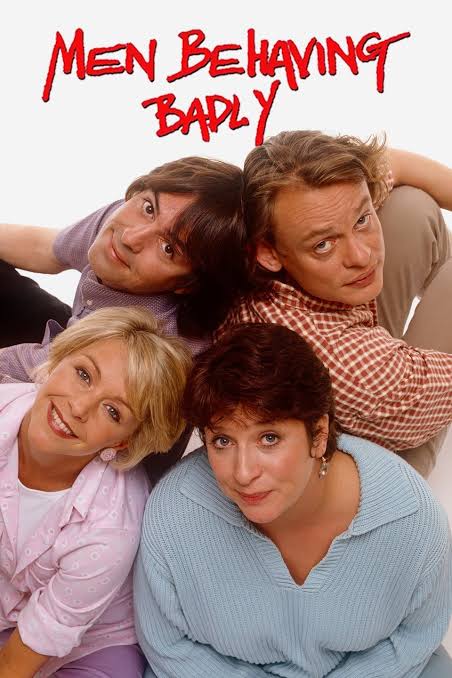
Simon Nye is a name that might not be instantly recognisable to everyone, but his work? That’s a different story. Nye has been a quiet giant of British television for over three decades, the creative force behind some of the nation’s most beloved and enduring shows. From the laddish antics of Men Behaving Badly to the sun-drenched charm of The Durrells, his career is a fascinating study in versatility, adaptability, and the enduring power of relatable storytelling.
Nye’s journey to becoming a successful screenwriter was far from straightforward. Unlike many who might have dreamed of Hollywood from day one, Nye’s path began with languages and translation. Armed with a degree in French and German, he found himself working “dossy jobs” and translating analytical books on art and music. This might seem a world away from the raucous comedy he’d later be known for, but this meticulous attention to language and structure laid the foundation for his craft. Translation, after all, is about understanding the nuances of narrative, the subtle shifts in meaning, and the art of conveying a story effectively. These skills would prove invaluable when he eventually turned his hand to writing his own.
His initial foray into writing was through novels. His first attempt, a “monstrous nonsense” medieval allegory, was rejected, but Nye’s resilience shone through. He quickly embarked on another, Men Behaving Badly, which would become a pivotal moment in his career. Initially conceived as a comedic exploration of flat-sharing, it would eventually evolve into the hit sitcom that defined a generation. Even then, Nye considered novel writing “proper writing,” a reflection of the traditional literary hierarchy that often undervalues other forms of storytelling.
Legendary producer Beryl Vertue saw the potential in Men Behaving Badly and persuaded Nye to adapt it for television. Despite having no prior experience in television writing, Nye took the leap, guided by Vertue’s mentorship. This transition marked a significant turning point, reshaping his perception of creative forms. The immense creative possibilities and popular success of television opened his eyes to the medium’s power and reach. He quickly established himself beyond Men Behaving Badly, creating award-winning and critically acclaimed series, proving his distinctive voice resonated within the British comedy landscape.
What’s fascinating about Nye’s writing process is its blend of structure and flexibility. For Men Behaving Badly, he could plot an episode in a few days and script it in a week, but later, more complex series like The Durrells involved significant redrafting, sometimes up to ten versions. He prefers working from outlines rather than detailed “bibles,” believing too much pre-planning can stifle spontaneity. This organic, character-first methodology is key to his success. He often starts developing characters with simple adjectives – Larry Durrell as “smart-arsed,” Margo as “vain, possibly naïve” – providing a foundation but allowing complexities to emerge through interaction and dialogue.
Adaptation has become a cornerstone of Nye’s career. Whether adapting his own novels, literary classics, or memoirs, he balances respect for the source material’s “spirit” with a willingness to make necessary changes for the screen. He doesn’t view the source material as “sacrosanct,” acknowledging that authors themselves often play “fast and loose with the truth.” This philosophy allows him the freedom to expand vignettes into full plots, alter characterisations, and adjust timelines to suit the demands of episodic television. This confident, flexible approach is key to his success in translating diverse sources into engaging television.
Nye’s inspiration comes from a blend of personal experience and observation. He advocates for writers gathering diverse life experiences, referencing his “dossy jobs.” The dynamics of family life, particularly having four children himself, clearly informed his writing of the Durrell clan. His initial idea for Men Behaving Badly stemmed directly from the flat-sharing experience. He stresses the importance of staying “interested in the world” and using writing to “make sense of the world and make fun of it.”
Nye’s most prominent works reveal recurring themes and a distinctive comedic sensibility. Men Behaving Badly tapped into the cultural zeitgeist of the 1990s, exploring themes of male friendship, protracted adolescence, and the dynamics between men and women. While often associated with “lad culture,” Nye downplayed any intention of making a specific socio-political commentary. The comedic style was largely observational, rooted in the relatable chaos of flat-sharing and relationship squabbles.
The Durrells, on the other hand, showcases a different facet of Nye’s writing, blending comedy with drama and warmth. Central themes include family dynamics, escapism, adapting to a new culture, self-discovery, and a profound appreciation for the natural world. The comedic style is gentler, relying on character-driven humour, cultural misunderstandings, and the visual comedy afforded by the stunning Corfu setting.
Across his work, relationships – familial, platonic, or romantic – are always central. His protagonists are typically flawed, making mistakes and behaving foolishly, yet they remain relatable and sympathetic. He often mines the domestic sphere for humour, finding comedy in the everyday friction of cohabitation and mundane situations. A recurring structural motif emerges: small, contained groups navigating their internal dynamics, often within slightly displaced or isolated settings.
Nye’s career demonstrates remarkable versatility in comedic style. He shifts comfortably between observational sitcoms, comedy-drama, family-friendly farce, and historical romps. He embraces “silliness” and “dumb jokes,” prioritising making audiences laugh. This adaptability is a significant strength, allowing him to tackle diverse projects and preventing him from being pigeonholed easily.
Simon Nye’s enduring success stems from a potent combination of adaptable craft and a consistent focus on the relatable absurdities of human relationships. By prioritising character interaction, embracing the humour in everyday failings, and skillfully translating existing narratives, he consistently creates worlds populated by flawed but fundamentally human characters. His stated ambition, “just trying to make sense of the world and make fun of it really… and try and enjoy it,” is a guiding principle. It explains his ability to shift between different comedic styles, finding the comedic and emotional core in diverse situations. While not always courting critical profundity, Nye’s focus on entertainment, warmth, and shared human experience has secured him a significant place in British television. His unique voice continues to resonate because it taps into a fundamental desire to laugh at ourselves, connect with others, and find comfort and humour even amidst the chaos of everyday life.
 The Original Writers Group