
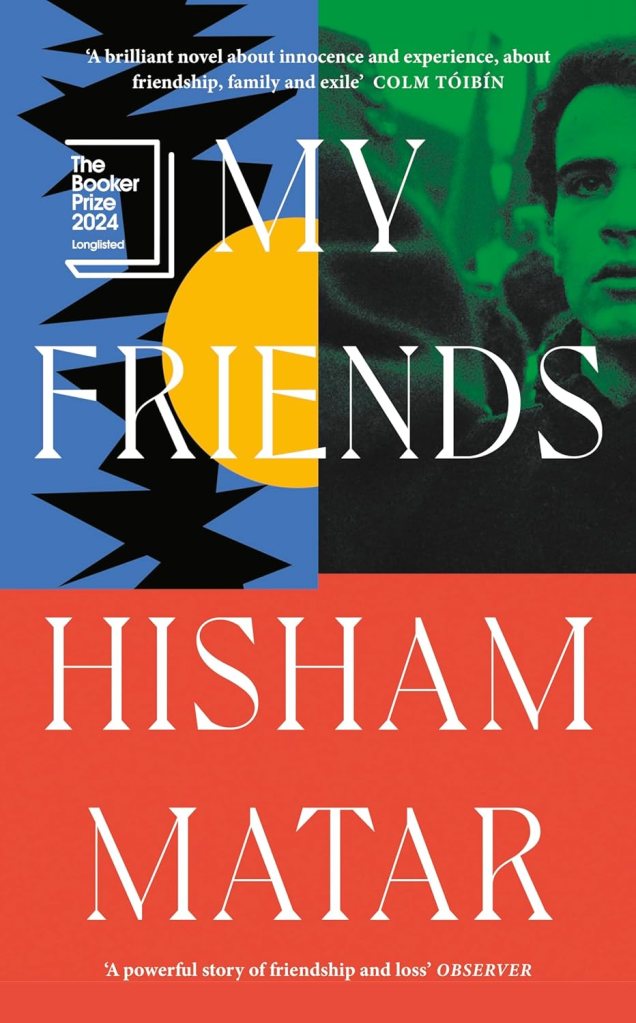
Hisham Matar, a literary voice shaped by profound experiences of exile and a deep engagement with art, has once again captivated readers with his latest novel, “My Friends.” Published in January 2024, this work delves into the lives of three Libyan friends navigating the complexities of displacement in London, against the backdrop of significant historical events. “My Friends” is not just a story but a profound exploration of friendship, memory, and the enduring impact of political upheaval.
Matar’s background is integral to understanding his work. Born in New York City to Libyan parents, he spent his formative years in Tripoli and Cairo before settling in London and New York. This diverse upbringing has profoundly influenced his writing, which consistently grapples with themes of displacement, memory, and familial and national allegiances. His earlier works, such as “In the Country of Men” and the Pulitzer Prize-winning memoir “The Return,” established him as a formidable voice in contemporary literature. His personal history, particularly the disappearance of his father, a dissident under the Qaddafi regime, serves as a recurring motif in his narratives, infusing his fiction with a deep sense of loss and political strife.
“My Friends” centres on Khaled, a young man from Benghazi whose life is irrevocably altered by a short story he hears on the radio. This encounter leads him to pursue studies at the University of Edinburgh, seeking the story’s author, Hosam Zowa. In Edinburgh, Khaled experiences a world starkly different from his homeland, initiating a profound personal transformation. His fate as an exile is sealed when he participates in a protest against the Qaddafi regime in London, an event that leaves him injured and unable to return to Libya. This forces him into exile, where his deepest relationships are forged. He meets Hosam Zowa and Mustafa, another Libyan, and the three form a tight-knit circle, their lives deeply intertwined as they navigate the complexities of exile over several decades.
The narrative structure mirrors its central themes. The story primarily unfolds through Khaled’s introspective recollections during a long walk home through London. This framework allows Matar to map an exile, a city, and a state of mind. The narrative fluidly moves back and forth through time and memory, reflecting the non-linear nature of memory, especially for those whose lives have been fractured by displacement and trauma. This structural choice effectively conveys the fragmented yet persistent nature of an exiled existence, where the past continually informs and shapes the present.
At its core, the book delves into a constellation of profound thematic concerns. Friendship is paramount, presented not merely as companionship but as a vital, life-sustaining force. Matar offers a nuanced exploration of male friendship, depicting it as an intense bond where friends can be competitors and allies, crucial for emotional and intellectual support, especially for those far from family. The experience of exile is a dominant theme, with Matar plumbing the depths of dispossession and the challenges of navigating life between cultures and political systems. His characters grapple with the search for a sense of home in a physical place and within the sanctuary of human connection.
The devastating impact of political turmoil is another central theme. The oppressive shadow of the Qaddafi regime, the violence of state power, and the seismic shifts of the Arab Spring are not just historical backdrops but active forces that shape and often shatter the characters’ lives. The novel also explores themes of identity, memory, and loss. The characters grapple with how to define their sense of self amidst the dislocation of exile. Memory becomes a crucial tool for constructing personal narratives and maintaining a connection to a fractured past. The sense of loss is pervasive with the loss of country, family ties, and the certainties that once defined their lives. Finally, the role of literature and art emerges as a significant theme. Khaled’s initial encounter with Hosam Zowa’s short story, his academic pursuit of literature, and Mustafa’s pilgrimages to writers’ homes underscore the power of art to shape perception, offer solace, and provide frameworks for understanding a complex world.
Regarding genre, “My Friends” is unequivocally positioned within literary fiction, focusing on character development, complex themes, stylistic artistry, and an engagement with the universal aspects of the human condition. It is also a powerful novel of exile, exploring the psychological and social repercussions of displacement and the arduous process of constructing new lives in alien environments. Additionally, the book engages with postcolonial themes and subtle stylistic choices that hint at magical realism. The narrative grapples with the effects of imperialism and colonisation, and the protagonist’s consciousness is suffused with references to postcolonial literature. The narrative framework — Khaled’s extended, reflective walk — stretches the bounds of strict realism, subtly incorporating elements of magical realism. This interplay of genres reflects the dislocated reality its characters inhabit.
Creating this book was a patient and prolonged endeavour. Matar carried the opening paragraph in his head for a decade before actively writing the book. This extended period allowed him to understand the narrator’s voice and the logic of his sentences, allowing the core elements of the novel to coalesce organically. During the writing process, Matar immersed himself in diverse artistic influences, including the works of Joseph Conrad and Jean Rhys, the musical structures of Chopin’s Etudes, and the paintings of Titian. He sought to capture the narrative quality, sensory details, and “vivid ambiguity” found in Titian’s work, aiming to create a layered and textured prose resistant to singular interpretation.
Matar’s broader writing philosophy emphasises conjuring meaning rather than explicitly stating it, requiring a degree of confidence that the reader will meet him halfway. This approach is consistent with his method for earlier works, where he often begins with the protagonist’s voice, allowing the character to lead him into the story. This meticulous and patient writing process mirrors the subjects of friendship and exile that lie at the heart of “My Friends.” The decade-long gestation period mirrors the slow development of lifelong friendships, and the aim of the prose to cultivate growing intimacy reflects the gradual process of forming such bonds.
The book has been met with widespread critical acclaim, accumulating prestigious awards and nominations, including the Orwell Prize for Political Fiction and the National Book Critics Circle Award for Fiction. Critics have praised its writing quality, thematic depth, emotional impact, narrative skill, character portrayal, and intellectual rigour. The novel is lauded for its beautifully written prose, profound exploration of friendship and exile, and its ability to evoke powerful emotions. It is recognised as a masterly literary meditation on Matar’s lifelong themes and a significant contribution to contemporary literature.
In conclusion, the book explores the interplay between personal bonds and the vast forces of political history and exile. The novel contributes to exile literature, offering a nuanced perspective on the Libyan experience while resonating with the universal condition of displacement. Its narrative and characters are a testament to the resilience of the human spirit and the necessity of connection. In the context of Matar’s oeuvre, it builds upon his earlier explorations of loss and memory. At the same time, in the wider landscape of contemporary literature, it takes its place among novels that address migration, conflict, and fractured identities. The enduring impact of “My Friends” stems from exploring themes that feel urgent in the current global climate, reminding us of the power of friendship and the human search for connection in a fractured world. Hisham Matar’s “My Friends” is a lasting and indispensable work, solidifying his reputation as one of our greatest writers.
 The Original Writers Group