N.K. Jemisin’s The Broken Earth Trilogy isn’t just a significant work of speculative fiction; it’s a great example of narrative craft and thematic depth. Made up of The Fifth Season, The Obelisk Gate, and The Stone Sky, the series managed the impressive feat of each book winning the Hugo Award for Best Novel. For writers seeking to craft detailed worlds, engaging characters, and compelling themes into a narrative that coheses and makes an impact, Jemisin’s work offers a valuable source of inspiration.
The Architect’s Blueprint: Jemisin’s Writing Process
N.K. Jemisin’s approach to building the world of the Stillness and its fractured societies demonstrates an intriguing blend of meticulous planning, intuitive insight, and a keen awareness of social and political issues.
1. Roots of Inspiration: Myth, Modernity, and Afrofuturism
Jemisin draws from a wide range of inspiration. She has a genuine appreciation for old stories, including mythology and creation myths from various cultures, which she views as some of humanity’s most sophisticated narrative forms. This respect for foundational stories grounds her work in something timeless. However, her narratives remain highly relevant today. Jemisin has stated that The Broken Earth was “born out of the same anger and pain” as the Black Lives Matter movement, with events such as the Ferguson unrest directly influencing her writing. This blend of the ancient and the current gives her work a distinctive strength.
What’s more, the trilogy is strongly connected to Afrofuturism, an aesthetic that looks at African diaspora themes in a technocultural and speculative way. She aims to give a voice to those historically unheard and to take a critical new look at the past and present of marginalised peoples, offering fresh perspectives on their hopes and dreams. The dedication in The Fifth Season—”For all those who have to fight for the respect that everyone else is given without question”—sums up this driving force.
For Writers: Don’t be afraid to mix different sources of inspiration. Old myths can shed light on today’s struggles, and personal reactions to current events can fuel deep fictional explorations. Consider how your cultural perspective can bring new perspectives to existing genres.
2. Worldbuilding as Thematic Resonance: The Stillness
The world of The Broken Earth, a supercontinent called the Stillness, is much more than just a setting; it’s an active force, a “character in itself”. Jemisin’s “holistic worldbuilding” carefully links the harsh, geologically unstable environment to the societal structures and the oppression within it. The recurring cataclysms, known as “Fifth Seasons,” aren’t just plot devices but strong metaphors for systemic instability and environmental crisis.
Jemisin conducted extensive research in geology to create a “scientifically plausible geological magic system” in orogeny—the ability to control seismic energy. This power is both a gift and a curse, the very reason orogenes are harshly enslaved and poorly treated. The sentient planet, “Father Earth,” is angry about how humans exploit it and the ancient loss of its Moon, reflecting worries about ecological collapse.
For Writers: Let your worldbuilding do some thematic work. How can the physical laws, history, or environment of your world mirror and boost the main conflicts and messages of your story? Research can ground even the most fantastical bits.
3. Narrative Craft: Innovation and Intuition
Jemisin’s narrative structure is as inventive as her themes. She starts with an outline for key elements but lets much of the final form develop by writing “test chapters,” playing with voice, tone, and energy.
The Fifth Season notably uses multiple perspectives and non-linear timelines, with the key reveal that the three main narrators—Damaya, Syenite, and Essun—are the same person at different, trauma-fractured stages of her life. This structure isn’t just clever; it shows themes of cyclical trauma and fragmented identity. The most talked-about choice is the use of the second-person present tense for Essun’s chapters, a decision Jemisin described as instinctive, aiming for an engaging, sort of poetic feel. This pulls the reader right into Essun’s experience of loss and oppression.
Jemisin is open about the self-doubt that can come with such experimentation, admitting she once feared The Fifth Season was “the worst thing I’ve ever written”. Her revision process is crucial, as she refines initial, more straightforward drafts into nuanced final texts.
For Writers: Don’t shy away from narrative experimentation if it helps the core of your story. Multiple points of view, non-linear structures, or unusual tenses can powerfully reflect a character’s internal state or thematic points. Embrace the revision process as a chance to refine and polish.
4. Character Conception: Voicing the “Less Seen”
Jemisin is a character-focused writer; the worldbuilding develops to inform their lives. She aims to create believable characters with developed inner lives and clear arcs, often choosing to centre on individuals less seen in speculative fiction, such as women of colour, mothers, older women, and individuals with disabilities. Essun, a grieving mother and powerful orogene, is a good example.
Her protagonists are quite flawed, shaped by trauma, and often make morally ambiguous choices. The mother-daughter relationship between Essun and Nassun is complicated, marked by misunderstanding and harshness born of a desperate wish to protect. Non-human characters, such as the Stone Eater Hoa and the powerful orogene Alabaster, also play essential roles, offering ancient perspectives that alter how you perceive the world. Jemisin also uses sensitivity readers to help ensure authentic representation for characters whose experiences differ from her own.
For Writers: Populate your worlds with complex, flawed characters, especially those whose stories are often untold. Authentic representation matters, and receiving feedback from sensitivity readers can be highly beneficial. Explore the messy, challenging sides of relationships.
Echoes in a Shattered World: Core Themes
The thematic landscape of The Broken Earth is as large and broken up as the Stillness itself.
1. Power, Oppression, and Liberation
Systemic oppression is a key element. The treatment of orogenes serves as a strong allegory for real-world hierarchies based on race, class, and ability, with many drawing parallels to the African American experience. The Fulcrum, the “evil Hogwarts” that controls orogenes, shows abuse built into the system. The trilogy explores how oppressors justify dehumanisation and how violence becomes a sad, sometimes needed, tool for the oppressed.
For Writers: Speculative fiction offers a good way to look at real-world injustices. Think about how your magic systems or societal structures can represent current issues of power and oppression.
2. Environmental Crisis and Ecological Consciousness
The recurring Fifth Seasons are a clear point about climate change and environmental damage—the narrative criticises how humans use the environment, shown by the enraged Father Earth. Importantly, Jemisin links the control of marginalised groups (orogenes) with the exploitation of nature, showing them as linked to difficult experiences.
For Writers: Your world’s environment can be more than scenery. How do your characters and societies interact with their natural world? What are the results of that relationship, and how can it reflect current ecological concerns?
3. Trauma, Survival, and Community
Trauma—personal, communal, and planetary—is a core part. Essun’s fractured identities (Damaya, Syenite, Essun) reflect a life shaped by constant abuse and the need to reinvent herself for survival. Motherhood is a tough test for these themes, portrayed with real complexity, especially the trauma passed down generations from Essun to Nassun. Despite the devastation, characters are always looking for and building new families and communities, like the sanctuary of Castrima, highlighting our need to stick together.
For Writers: Explore the psychological impact of your world on its people. How do they cope with trauma? How does the need for survival shape their morality and relationships? Show the power of community when facing adversity.
4. Memory, History, and Reimagining Futures
The trilogy deals with the importance of history and the cyclical nature of oppression. The past, if not dealt with, continues to affect the present. The narrative goes beyond human-centric views, exploring posthuman ethics through figures like the Stone Eaters and the sentient Earth. This suggests that real change needs a big break from destructive cycles and perhaps even a change in how things are. Some scholars even see the work engaging with abolitionist ideas, imagining futures that go beyond oppressive models by “jailbreaking the imagination”.
For Writers: How does the history of your world inform its present? Can your characters break cycles of trauma and oppression? Speculative fiction is a space for imagining radical new ways of being and organising society.
The Enduring Fracture
N.K. Jemisin’s The Broken Earth Trilogy really shows the power of speculative fiction not only to entertain but to challenge, make you think, and explain. Her skilled mix of character, world, narrative structure, and theme creates a story that sticks with you long after the final page. For writers, it offers a good example of how to build worlds that are rich in meaning, create characters that reveal complex truths, and tell stories that bravely confront the brokenness of our world while searching for ways to piece it back together. It’s an encouragement to write bravely, with intention, and with an eye toward the futures we might forge.
Asako Yuzuki’s novel, Butter, has captivated readers with its unsettling premise and achieved remarkable accolades, including the Waterstones Book of the Year 2024. Yet, to see Butter merely as a sensational, food-centric crime novel would be to miss the rich, complex, and often provocative tapestry Yuzuki weaves. It’s an invitation into a world where culinary arts meet sharp social critique and the quest for a story becomes a profound journey of self-discovery.
Born in Tokyo in 1981, Asako Yuzuki is a distinctive voice in contemporary Japanese fiction. Her path to becoming a novelist was paved with diverse experiences. An alumna of Rikkyo University with a degree in French literature, her senior thesis delved into the intricate social realism of Honoré de Balzac – an early indication, perhaps, of her keen observational eye for societal structures. A brief stint at a confectionery maker also hints at the gastronomic fascination that would later permeate her work. However, a pivotal moment occurred during a serious illness in junior high school, when she encountered Banana Yoshimoto’s Kitchen. This experience, she has shared, redirected her towards Japanese authors. Her themes of vulnerability, solace, and the profound comforts found in domesticity and food echo powerfully in her narratives.
Yuzuki made her literary debut in 2010 with ‘Shuuten no ano ko’. This collection included ‘Forget Me, Not Blue,’ a story that won her the All Yomimono Prize for New Writers. This was just the beginning of a career that would see her nominated multiple times for the prestigious Naoki Prize and win the Yamamoto Shūgorō Prize for Nairu pāchi no joshikai (Nile Perch Women’s Club).
The Main Course: Deconstructing ‘Butter’
Butter, Yuzuki’s first novel to be translated into English, is where many international readers first encounter her potent blend of storytelling. The novel draws its chilling inspiration from a real-life Japanese crime: the case of Kanae Kijima, dubbed the ‘Konkatsu Killer,’ a woman convicted of seducing and murdering several men she met through matchmaking websites, often using her culinary prowess as a lure. But Yuzuki doesn’t simply rehash sensational headlines. Her intent was more profound: to push back against the predominantly male-centric media coverage of Kijima and to critique a society where men often seek stereotypical ‘dream women’ as wives.
The narrative unfurls through the eyes of Rika Machida, a journalist in her early thirties, hungry for a career-defining story. She secures interviews with Manako Kajii, the enigmatic gourmand and convicted serial killer awaiting retrial. Kajii, whose physical appearance defies conventional Japanese beauty standards, is infamous for allegedly using her exquisite cooking to ensnare wealthy men before their demise.
Initially driven by ambition, Rika is drawn into Kajii’s powerful orbit. Their prison interviews morph into what one reviewer aptly termed a masterclass in food. This unexpected gastronomic mentorship ignites a profound transformation in Rika. She begins to cook, to truly taste, and, significantly, to gain weight, forcing her to confront Japan’s exacting beauty standards and the deeply ingrained patriarchal views on women’s bodies and roles. Rika’s journey is one of challenging ‘feminine thinness,’ a path towards self-acceptance and autonomy that is both exhilarating and fraught with societal judgment.
Manako Kajii, the catalyst for Rika’s awakening, is a figure of fascinating contradictions. She is a passionate, almost hedonistic cook, yet espouses seemingly traditional views, declaring, ‘There are two things that I can simply not tolerate: feminists and margarine’. For Kajii, butter symbolises ‘unapologetic indulgence and the ideal of being a stay-at-home wife,’ while margarine epitomises the ‘fake’. Through Kajii, Yuzuki seems to question rigid ideologies, suggesting that true female agency might lie beyond established norms, even some feminist ones.
Thematically, Butter is a lavish spread. Food is central – a language of indulgence, pleasure, desire, control, and self-acceptance. Yuzuki’s prose is rich with sumptuous descriptions that make the reader almost taste and smell Kajii’s creations. But beneath this sensory layer lies a vivid, unsettling exploration of misogyny in Japan. The novel dissects patriarchal views, the immense pressure on women to conform, to be ‘palatable pieces to be consumed by the culture’, and the ‘Konkatsu’ (marriage-hunting) culture itself. It’s a nuanced exploration of feminism, not as a monolith, but as a spectrum of experiences and interpretations.
Interestingly, the reception of Butter has been markedly different at home versus abroad. Internationally, it’s been hailed as a cult classic. Yuzuki herself expressed surprise, having initially thought the unchecked misogyny portrayed in Butter was a specifically Japanese problem. In Japan, however, the response was more muted, with some critics labelling it too harsh, feminist, and indulgent. This divergence perhaps underscores the novel’s role as a cultural barometer, highlighting both the universality of its themes and varying societal readiness to confront them.
Beyond ‘Butter’: A Taste of Yuzuki’s Wider Literary World
While Butter is a formidable introduction, Asako Yuzuki’s literary repertoire extends further. She consistently explores women’s intricate lives against the backdrop of contemporary Japan. Her debut, Shuuten no ano ko (2010), which included the award-winning ‘Forget Me, Not Blue,’ tackled bullying in an all-girls school, immediately signalling her interest in the complex, often challenging, dynamics of female social worlds.
In Ranchi no Akko-chan (Akko’s Lunches, 2013), Yuzuki offers a warmer portrayal of female connection through four linked stories about a young office worker and her older boss, their evolving mentorship often facilitated by shared meals. Japanese readers have frequently described it as an uplifting ‘vitamin novel,’ offering encouragement and a fresh perspective on daily life.
Conversely, the award-winning Nairu pāchi no joshikai (Nile Perch Women’s Club, 2015) delves into far darker territory. It’s a twisted tale of a friendship between a career woman and a popular housewife blogger that spirals into obsession, psychological manipulation, and blackmail. Japanese reviews laud its excellent psychological depiction and the intense pressure of female relationships, with one critic noting how an expected heartwarming ending gives way to a rampage of obsession.
Other notable works include Itō-kun A to E (2013), which dissects unhealthy relationships and male narcissism through the eyes of several women interested in the same man, and Honya-san no Daiana (Diana the Book Clerk, 2014), a celebration of female friendship and the solace found in literature.
The Signature Ingredients: Yuzuki’s Recurring Motifs and Distinctive Style
Across her diverse narratives, certain ingredients consistently flavour Asako Yuzuki’s work. Food, as we’ve seen, is paramount. It’s a conduit for pleasure, a tool of power, a symbol of self-care, and a medium for social commentary. Her brief experience in a confectionery company lends an extra layer of authenticity to her often luscious descriptions.
Another constant is a critical examination of gender dynamics and female agency. Yuzuki consistently challenges restrictive norms and explores the multifaceted nature of feminism, a consciousness she admits has evolved, particularly through her experiences with childcare and the pandemic. This is often intertwined with a sharp critique of societal beauty standards and the intense pressure on women’s bodies.
The complexities of female relationships form a rich thematic vein. She masterfully portrays the entire spectrum, from the supportive bonds in Ranchi no Akko-chan and Honya-san no Daiana to the toxic obsession in Nairu pāchi no joshikai. Yuzuki has noted how the interpretation of her depiction of these relationships has shifted over time, from being seen as ‘doro-doro’ (messy or mucky) to being recognised for portraying ‘sisterhood’ and ’empowerment,’ a change that may reflect broader cultural shifts in Japan.
Her narrative style is often praised for its descriptive, vivid language, especially when evoking food. Her novels are character-driven, offering deep dives into the inner lives of women who are ‘dynamic… not easily categorised’. Many find her storytelling atmospheric, a slow burn that allows for heightened sensory experience and immersion, though this deliberate pacing can sometimes be perceived as lengthy by others.
The Author at Her Desk: Craft and Method
Yuzuki’s literary craft is informed by a blend of influences and a distinctive working method. Her early reading included Western authors like Beverly Cleary and Judy Blume, followed by the pivotal encounter with Banana Yoshimoto, and later, an academic grounding in Balzac. This fusion of Western YA’s focus on female interiority, Yoshimoto’s introspective Japanese sensibility, and Balzac’s social realism seems to have forged her unique voice.
Her writing process involves meticulous research; for Butter, she took French cooking classes for a year. She employs a ‘scrapbook technique’ of collecting inspiring material, which she also uses to ‘reverse think’ her themes by identifying what doesn’t interest her, helping her sharpen her focus on her passions. She also collects everyday observations—moments of joy, sorrow, or humour—and then builds narratives around these emotional cores. She believes persistence is paramount, advising writers to continue writing and to view criticism as fertiliser for future growth.
Why Asako Yuzuki’s Stories Savour So Well
Asako Yuzuki’s work resonates because it achieves a delicate balance: her stories are deeply rooted in the specifics of Japanese culture, yet they touch upon universal anxieties and desires. Butter, for instance, while dissecting ‘Konkatsu’ culture and Japanese work ethics, speaks to global audiences about misogyny, body image, and the search for authenticity. She doesn’t shy away from the ‘uncomfortable’ or the ‘harsh,’ presenting flawed, complex characters grappling with brutal truths. This commitment to psychological realism, even in darker shades, gives her fiction an unsettling yet compelling power.
Asako Yuzuki offers a veritable feast in a literary landscape hungry for diverse voices and challenging narratives. Her ability to blend the sensory allure of food with incisive social observation and profound psychological depth marks her as a vital contemporary author. As her feminist consciousness continues to evolve, and as she continues to engage with the complexities of modern life, one can only anticipate that her future works will offer even more to savour, to question, and to discuss. She is a writer who reminds us that sometimes, the most unsettling truths are found in the most unexpected and delicious places.
Hisham Matar, a literary voice shaped by profound experiences of exile and a deep engagement with art, has once again captivated readers with his latest novel, “My Friends.” Published in January 2024, this work delves into the lives of three Libyan friends navigating the complexities of displacement in London, against the backdrop of significant historical events. “My Friends” is not just a story but a profound exploration of friendship, memory, and the enduring impact of political upheaval.
Matar’s background is integral to understanding his work. Born in New York City to Libyan parents, he spent his formative years in Tripoli and Cairo before settling in London and New York. This diverse upbringing has profoundly influenced his writing, which consistently grapples with themes of displacement, memory, and familial and national allegiances. His earlier works, such as “In the Country of Men” and the Pulitzer Prize-winning memoir “The Return,” established him as a formidable voice in contemporary literature. His personal history, particularly the disappearance of his father, a dissident under the Qaddafi regime, serves as a recurring motif in his narratives, infusing his fiction with a deep sense of loss and political strife.
“My Friends” centres on Khaled, a young man from Benghazi whose life is irrevocably altered by a short story he hears on the radio. This encounter leads him to pursue studies at the University of Edinburgh, seeking the story’s author, Hosam Zowa. In Edinburgh, Khaled experiences a world starkly different from his homeland, initiating a profound personal transformation. His fate as an exile is sealed when he participates in a protest against the Qaddafi regime in London, an event that leaves him injured and unable to return to Libya. This forces him into exile, where his deepest relationships are forged. He meets Hosam Zowa and Mustafa, another Libyan, and the three form a tight-knit circle, their lives deeply intertwined as they navigate the complexities of exile over several decades.
The narrative structure mirrors its central themes. The story primarily unfolds through Khaled’s introspective recollections during a long walk home through London. This framework allows Matar to map an exile, a city, and a state of mind. The narrative fluidly moves back and forth through time and memory, reflecting the non-linear nature of memory, especially for those whose lives have been fractured by displacement and trauma. This structural choice effectively conveys the fragmented yet persistent nature of an exiled existence, where the past continually informs and shapes the present.
At its core, the book delves into a constellation of profound thematic concerns. Friendship is paramount, presented not merely as companionship but as a vital, life-sustaining force. Matar offers a nuanced exploration of male friendship, depicting it as an intense bond where friends can be competitors and allies, crucial for emotional and intellectual support, especially for those far from family. The experience of exile is a dominant theme, with Matar plumbing the depths of dispossession and the challenges of navigating life between cultures and political systems. His characters grapple with the search for a sense of home in a physical place and within the sanctuary of human connection.
The devastating impact of political turmoil is another central theme. The oppressive shadow of the Qaddafi regime, the violence of state power, and the seismic shifts of the Arab Spring are not just historical backdrops but active forces that shape and often shatter the characters’ lives. The novel also explores themes of identity, memory, and loss. The characters grapple with how to define their sense of self amidst the dislocation of exile. Memory becomes a crucial tool for constructing personal narratives and maintaining a connection to a fractured past. The sense of loss is pervasive with the loss of country, family ties, and the certainties that once defined their lives. Finally, the role of literature and art emerges as a significant theme. Khaled’s initial encounter with Hosam Zowa’s short story, his academic pursuit of literature, and Mustafa’s pilgrimages to writers’ homes underscore the power of art to shape perception, offer solace, and provide frameworks for understanding a complex world.
Regarding genre, “My Friends” is unequivocally positioned within literary fiction, focusing on character development, complex themes, stylistic artistry, and an engagement with the universal aspects of the human condition. It is also a powerful novel of exile, exploring the psychological and social repercussions of displacement and the arduous process of constructing new lives in alien environments. Additionally, the book engages with postcolonial themes and subtle stylistic choices that hint at magical realism. The narrative grapples with the effects of imperialism and colonisation, and the protagonist’s consciousness is suffused with references to postcolonial literature. The narrative framework — Khaled’s extended, reflective walk — stretches the bounds of strict realism, subtly incorporating elements of magical realism. This interplay of genres reflects the dislocated reality its characters inhabit.
Creating this book was a patient and prolonged endeavour. Matar carried the opening paragraph in his head for a decade before actively writing the book. This extended period allowed him to understand the narrator’s voice and the logic of his sentences, allowing the core elements of the novel to coalesce organically. During the writing process, Matar immersed himself in diverse artistic influences, including the works of Joseph Conrad and Jean Rhys, the musical structures of Chopin’s Etudes, and the paintings of Titian. He sought to capture the narrative quality, sensory details, and “vivid ambiguity” found in Titian’s work, aiming to create a layered and textured prose resistant to singular interpretation.
Matar’s broader writing philosophy emphasises conjuring meaning rather than explicitly stating it, requiring a degree of confidence that the reader will meet him halfway. This approach is consistent with his method for earlier works, where he often begins with the protagonist’s voice, allowing the character to lead him into the story. This meticulous and patient writing process mirrors the subjects of friendship and exile that lie at the heart of “My Friends.” The decade-long gestation period mirrors the slow development of lifelong friendships, and the aim of the prose to cultivate growing intimacy reflects the gradual process of forming such bonds.
The book has been met with widespread critical acclaim, accumulating prestigious awards and nominations, including the Orwell Prize for Political Fiction and the National Book Critics Circle Award for Fiction. Critics have praised its writing quality, thematic depth, emotional impact, narrative skill, character portrayal, and intellectual rigour. The novel is lauded for its beautifully written prose, profound exploration of friendship and exile, and its ability to evoke powerful emotions. It is recognised as a masterly literary meditation on Matar’s lifelong themes and a significant contribution to contemporary literature.
In conclusion, the book explores the interplay between personal bonds and the vast forces of political history and exile. The novel contributes to exile literature, offering a nuanced perspective on the Libyan experience while resonating with the universal condition of displacement. Its narrative and characters are a testament to the resilience of the human spirit and the necessity of connection. In the context of Matar’s oeuvre, it builds upon his earlier explorations of loss and memory. At the same time, in the wider landscape of contemporary literature, it takes its place among novels that address migration, conflict, and fractured identities. The enduring impact of “My Friends” stems from exploring themes that feel urgent in the current global climate, reminding us of the power of friendship and the human search for connection in a fractured world. Hisham Matar’s “My Friends” is a lasting and indispensable work, solidifying his reputation as one of our greatest writers.
Percival Everett’s novel James arrived not merely as another publication but as a significant literary and cultural event, marked by widespread acclaim and prestigious accolades, including the Pulitzer Prize for Fiction and the National Book Award. Its publication by Doubleday in 2024 ignited immediate discussion, fueled by its provocative and necessary premise: a radical reimagining of Mark Twain’s canonical, yet controversial, Adventures of Huckleberry Finn. This act of literary reoccupation places James at the center of ongoing debates about American identity, historical memory, and the power of narrative.
The author, Percival Everett, is a figure whose literary trajectory mirrors the complexity and unconventionality of his work. For decades, Everett has built a formidable and diverse oeuvre, spanning numerous genres and styles, often operating with a quiet intensity somewhat removed from the mainstream literary limelight. Known for his intellectual rigour, satirical edge, and unflinching engagement with race, class, and philosophy in America, Everett defies easy categorisation. His recent surge in high-profile recognition, including the adaptation of his novel Erasure into the film American Fiction and the cascade of awards for James, marks a long-overdue acknowledgement of his unique and vital voice in contemporary letters.
At its core, James undertakes the ambitious task of retelling Twain’s iconic journey down the Mississippi River, but crucially shifts the narrative perspective to that of the enslaved man Jim, whom Everett reclaims and renames James. This is far more than a simple change in viewpoint; it is a deliberate act of narrative reclamation, designed to excavate a character’s humanity, intelligence, and agency, often reduced to stereotype in the original text and its subsequent interpretations. Everett’s novel is described not just as a retelling but as a “reimagining,” an “accomplished reconsideration,” and a “reoccupation” of Twain’s world, signalling a critical and transformative engagement with its source.
Consequently, James emerges as a profoundly multi-layered work. It functions simultaneously as a harrowing and tender exploration of individual agency, identity, and the brutal realities of American slavery; a sharp, incisive critique of its literary predecessor and the racial mythologies embedded within American culture; and a quintessential manifestation of Percival Everett’s distinctive stylistic preoccupations and philosophical concerns, themselves products of a uniquely personal and unconventional writing process. This report will delve into these facets, examining the novel’s genesis in dialogue with Huckleberry Finn, exploring its rich thematic landscape, analysing Everett’s characteristic writing style as exemplified in James, and considering the author’s idiosyncratic approach to the craft of fiction.
The very existence of James is predicated on a direct and critical engagement with Mark Twain’s Adventures of Huckleberry Finn. Everett’s novel originates as a response to, and a corrective of, one of American literature’s most celebrated and debated works. Huckleberry Finn has long been a focal point of controversy, lauded for its vernacular style and critique of societal hypocrisy, yet condemned for its pervasive use of racial slurs and its portrayal of the character Jim. Critics and educators grapple with whether Twain’s depiction of Jim, while arguably sympathetic for its time, ultimately reinforces harmful stereotypes or grants him sufficient humanity. Everett’s project stems from a clear conviction that Twain’s Jim was denied the full complexity and selfhood he deserved. James sets out explicitly to provide this voice, resurrecting the character from what one analysis calls “the graveyard of racist archetypes”—specifically, the docile, noble slave trope—and endowing him with multiple dimensions and autonomy.
Everett’s method of engaging with Twain’s formidable text was subtractive rather than additive. He describes his research process not as a deep dive into Huck Finn but as an exercise in forgetting it, aiming to create a “blur” in his memory. Having read Twain’s novel numerous times to the point of exhaustion, Everett sought to retain the essence of the world Twain created—the river, the setting, the basic plot points—but intentionally avoided recalling the specific language or textual details. This act of deliberate “forgetting” was crucial for creating the narrative space necessary for James’s voice to emerge authentically, unburdened by direct imitation or point-by-point rebuttal of Twain’s prose.
This approach underscores a crucial aspect of Everett’s project: James operates not merely as a retelling but as an act of literary criticism embedded within fiction. The novel enters into a direct dialogue with decades of Twain scholarship and classroom debate. By presenting James as literate, philosophical, and intellectually curious—a man who contemplates Locke and Voltaire —Everett implicitly refutes interpretations that focus solely on Jim’s superstition or simplicity. The narrative choices themselves function as critical interventions. For instance, the popular reading of Huck Finn as the story of a white boy’s slow moral awakening regarding Jim’s humanity is swiftly dismantled; in James, Huck’s recognition of James’s personhood is more intuitive, shifting the focus away from Huck’s redemption.
Furthermore, by detailing James’s experiences and thoughts during the periods he is absent from Huck’s narration in the original, Everett critiques the marginalisation
of Jim’s perspective. The novel’s divergence from Twain’s plot, particularly in its latter stages, serves as a commentary on the perceived failures or unsatisfying aspects of the original’s conclusion, particularly the controversial return of Tom Sawyer. In this way, James becomes an argument within Twain Studies, using the tools of fiction to engage with and reshape the critical conversation surrounding its source text.
Everett skillfully utilises the narrative gaps in Huckleberry Finn—the moments when Jim is separated from Huck—as fertile ground for expanding the story and James’s character arc. These sections allow Everett “ample space for more creativity, adventures, and realism,” depicting harrowing experiences and showcasing James’s resourcefulness and resilience in ways Twain’s novel does not. While the first two parts of James largely adhere to the familiar structure of Huck and James’s journey down the Mississippi, the novel’s third act takes significant departures, forging a new path for James that moves beyond the confines of the original narrative. This structural choice emphasises that James’s story is not merely ancillary to Huck’s but possesses its own integrity and trajectory.
Given the contentious place Huckleberry Finn occupies in contemporary discussions about race and literature, James has been positioned by some commentators as a necessary companion piece or even a corrective. For schools and readers struggling with Twain’s novel, Everett’s work offers a powerful counter-narrative that centres the enslaved perspective and confronts the brutalities of the era more directly. It provides a lens to re-examine Twain’s masterpiece, prompting a richer, more critical engagement. However, this view is not universal; some dissenting opinions suggest Everett’s portrayal strains credulity or manipulates Twain’s story in ways deemed unnecessary or contrived. Regardless of these differing views, James undeniably forces a re-evaluation of Huckleberry Finn and its legacy, demonstrating the enduring power of literary dialogue across generations.
Thematic Exploration in James
Percival Everett’s James is a novel rich with thematic complexity. It uses the framework of Huckleberry Finn as a launchpad to explore profound questions about identity, humanity, race, and freedom in antebellum America.
Agency, Identity, and Humanity
Perhaps the most central theme is the assertion of James’s agency, complex identity, and fundamental humanity, often obscured or simplified in Twain’s original. Everett meticulously crafts James not as a passive victim or a simplistic stereotype, but as an intelligent, perceptive, and proactive individual. He is depicted as secretly literate and deeply philosophical, capable of engaging in internal dialogues with Enlightenment thinkers like John Locke and Voltaire, pondering concepts of natural rights and freedom even as he navigates the brutal reality of enslavement. This intellectual depth starkly contrasts with the minstrelsy-inflected portrayals often associated with Twain’s Jim.
The very act of reclaiming his name—insisting on “James” rather than the diminutive “Jim” used by his enslavers and Huck—is a powerful assertion of selfhood and dignity. It signifies his refusal to be defined solely by his condition of bondage. This culminates in the resonant moment when, asked for his last name, he simply states: “Just James”. This declaration encapsulates his insistence on his inherent worth as an individual, independent of patriarchal or proprietary naming conventions imposed by the system of slavery. The transformation from the often-caricatured Jim to the fully realised James is a profound narrative achievement, giving voice and depth to a previously marginalised figure.
The Brutality of Slavery and Racism
James offers an unflinching portrayal of the horrors of slavery and the pervasive racism of the antebellum South. Everett refuses to sanitise the violence and dehumanisation inherent in the institution, presenting scenes of brutal whippings, casual murder, and the constant psychological terror faced by enslaved people. This raw depiction serves as a stark counterpoint to any romanticised notions of the period sometimes associated with Twain’s novel or other contemporary narratives. The novel vividly illustrates the absolute powerlessness of the enslaved and the arbitrary cruelty they endured, such as a man being killed over a missing pencil stub.
Furthermore, Everett uses James’s perspective to critique the very foundations of racial hierarchy. The novel explicitly illustrates “the absurdity of racial supremacy”. Race is shown to be a social construct, a performance demanded by the powerful and navigated through careful strategy by the oppressed. James’s observations about white behaviour, their assumptions, and their performative guilt expose the illogical and self-serving nature of racist ideology.
Performance, Language, and Code-Switching
Language and performance are intricately linked and function as crucial themes throughout James. James’s mastery of code-switching—his ability to shift between the exaggerated “slave dialect” expected by white people and the articulate, educated English he uses internally and with other Black characters—is a primary tool for survival and resistance. This linguistic duality highlights the performative nature of identity under oppressive systems. James and others must constantly perform a version of themselves that placates white expectations and fears, concealing their true intelligence and thoughts to remain safe. Everett even depicts James teaching Black children how to perform this dialect, underscoring it as a necessary, albeit degrading, survival skill.
This focus on performance extends beyond James’s code-switching. The novel scrutinizes other forms of social and racial performance, such as Huck’s occasionally “performative guilt” which James observes cynically (“White people love feeling guilty”) , or the grotesque spectacle of the minstrel show James is forced to participate in. These instances reveal a society built on layers of pretence and projection, where racial identities are constructed, enacted, and enforced through often absurd social scripts. This exploration of performance is not merely a feature of James’s historical setting. Still, it resonates with Everett’s broader critique of racial construction in America, visible in other works like Erasure (adapted as American Fiction). The constant negotiation between authentic selfhood and performed identity becomes a central struggle, demonstrating how systemic oppression necessitates a kind of theatricality for survival, a theme Everett consistently explores.
Freedom, Justice, and Resistance
The quest for freedom is the driving force behind James’s actions. His escape is motivated not only by self-preservation but by a desperate desire to reunite with his wife and daughter, who remain enslaved. The novel portrays the immense risks and complexities of seeking liberation, challenging simplistic notions of escape. James discovers that the distinction between “free state” and “slave state” can be illusory, as the reach of enslavers and the complicity of the legal system often transcend geographical boundaries.
This journey is intertwined with a profound exploration of justice. Witnessing and experiencing unimaginable brutality, James grapples with the concept of justice in a world predicated on its denial. His internal engagement with Enlightenment philosophers like Locke forces a confrontation between abstract ideals of natural rights and the lived reality of chattel slavery. If, as Locke argued, the abuse of natural rights justifies revolt, what does this imply for the enslaved, whose rights are violated in the most extreme ways imaginable? This philosophical inquiry gains visceral force as James’s experiences fuel a growing rage and a “broken sense of justice”. The novel suggests a potential shift in James’s approach, moving from endurance and strategic evasion towards considering violence as a justifiable response to overwhelming, systemic evil. His transformation, particularly in the novel’s later stages, into a figure potentially seeking vengeance forces readers to confront difficult questions about the legitimacy of violent resistance against profound injustice, grounding abstract philosophical debates in the harrowing specifics of James’s struggle.
Writing Style and Process
Understanding James requires an appreciation of Percival Everett’s broader literary style and unique approach to the writing process, which are distinctly reflected in the novel. Everett is an author who resists easy categorisation, consistently defying expectations through formal experimentation and thematic depth.
A defining characteristic of Everett’s work is its genre fluidity. Across his prolific output of novels, stories, and poetry, he navigates and often subverts various genres, including satire, Westerns, detective fiction, philosophical novels, thrillers, and metafiction. James itself exemplifies this trait, blending historical reimagining with sharp satire, elements of a thriller, and profound philosophical inquiry. This refusal to be confined by genre conventions allows Everett to approach his subjects from multiple angles, often surprising the reader.
Everett’s tone is frequently marked by a distinctive blend of satirical wry humour, intellectual rigour, and emotional depth. Even when dealing with harrowing subjects like slavery in James or lynching in The Trees, he employs humor—often dark or absurdist—as a critical tool. He has noted that getting a reader to laugh can create a state of relaxation that makes them more receptive to difficult truths. This strategic use of humor, combined with a playful intelligence and a willingness to tackle profound philosophical questions, creates a unique reading experience.
Philosophical depth is another constant in Everett’s writing, likely stemming from his academic background in philosophy. His novels often serve as platforms for interrogating complex issues of race, class, identity, language, and the nature of meaning itself. He frequently starts with an abstract concept or logical problem that he explores through narrative, even if the underlying axiom remains invisible to the reader.
In terms of narrative technique, Everett demonstrates a fascination with perspective, famously exemplified in his novel Telephone, which exists in three slightly different versions leading to different endings. The fundamental premise of James—shifting the perspective from Huck to James—is a powerful application of this interest. He also employs metafiction, clever misdirection and occasionally experiments with structure, such as the tripartite form noted in some of his works.
Everett’s description of his writing process reveals a highly personal, intuitive approach notably detached from external pressures. He emphasises writing as an intensely private act, conducted primarily for his own intellectual and artistic curiosity rather than for a specific audience or the demands of the market. He writes about what interests him, often moving quickly from one project to the next.
His practical methods appear refreshingly low-tech and flexible. He writes with a pencil, does not adhere to a strict schedule, often plays (music, perhaps, or other activities) before working, and writes in bursts whenever time allows—twenty minutes here, two hours there—a habit possibly learned from his time ranching. He engages in multiple drafts but seems driven by an internal clock rather than external deadlines.
His relationship with his finished work is characterised by a certain detachment. He confesses to suffering from “work amnesia,” often forgetting details of his novels once they are completed, and quickly losing interest as he moves on to the next idea. He actively avoids participating in marketing discussions and expresses indifference towards awards, while acknowledging their role in increasing visibility. He prefers working with independent publishers who allow him this freedom.
A fascinating dynamic exists between Everett’s seemingly unstructured, intuition-driven, and intensely private writing process and the highly prolific, intellectually demanding, and critically celebrated body of work he produces. His method—writing with a pencil, eschewing rigid schedules, prioritising internal interest over external validation —might appear almost anti-methodical. Yet, this process has yielded over thirty books and garnered some of literature’s highest honours. This suggests that his approach, free from conventional planning or market constraints, fosters remarkable creative freedom. The lack of external pressure enables, rather than hinders, the rapid exploration and generation of complex ideas, resulting in both significant quantity and undeniable quality. This productive paradox underscores the unique connection between his way of working and the distinctive nature of his literary output.
Everett’s process for writing James—the deliberate “forgetting” of Huckleberry Finn —can be understood within the context of his broader artistic approach. This method allowed him to engage deeply with Twain’s world while maintaining the critical distance necessary to impose his voice and thematic concerns. It reflects a larger pattern in his work where engagement with existing genres or canonical texts is not an act of simple homage but one of critical transformation. Everett is not interested in merely replicating forms but in experimenting with their boundaries and using them as vehicles for constructing meaning. His interaction with literary tradition, as seen in James, is therefore less about paying tribute and more about intervening, questioning, and ultimately reshaping the narrative landscape. This approach aligns with his stated goal of presenting work from which meaning can be made, rather than delivering predetermined messages.
Percival Everett’s James stands as a landmark achievement in contemporary American literature. It is a powerful and necessary reimagining of a foundational text, born from a critical engagement with Mark Twain’s Adventures of Huckleberry Finn and the complex legacy of race and representation in the American canon. Through the reclaimed voice and perspective of James, the novel offers a profound exploration of agency, identity, the brutal realities of slavery, and the enduring pursuit of freedom and justice. It masterfully weaves together historical narrative, sharp social satire, and deep philosophical inquiry, challenging readers to confront uncomfortable truths about the nation’s past and its lingering presence.
The novel is also a quintessential work by Percival Everett, showcasing his signature blend of intellectual rigour, formal inventiveness, dark humour, and unflinching social commentary. Its genesis through a process of “forgetting” the source text, its fluid movement between genres, and its grounding in an intensely private, intuition-driven writing practice all reflect the unique artistic vision of its author. James embodies Everett’s career-long project of pushing literary boundaries and using fiction as a tool for critical thought and constructing new meaning.
The extraordinary critical reception of James underscores its significance. Its sweep of major literary awards confirms its status as a major literary event and a cornerstone of twenty-first-century American literature.
Ian Fleming, the English author, journalist, and former naval intelligence officer, secured a permanent place in twentieth-century popular culture as the creator of James Bond, Secret Agent 007. Since the publication of Casino Royale in 1953, Bond has evolved from a literary character into a global phenomenon, spawning one of the longest-running and most successful film franchises in history and permeating virtually every form of media.
Fleming’s James Bond novels, while often categorised as escapist thrillers, are deeply rooted in the author’s personal experiences, particularly his service in British Naval Intelligence during World War II, and resonate profoundly with the anxieties and aspirations of post-war Britain. They represent a complex interplay of fantasy, sharp observations on Cold War geopolitics, explorations of masculinity and morality, and a unique narrative technique that significantly influenced the spy genre and broader popular culture.
The Life of Ian Fleming: From Privilege to Espionage
Ian Lancaster Fleming was born on May 28, 1908, in Mayfair, London, into a family defined by wealth, influence, and privilege. He was the grandson of the Scottish financier Robert Fleming, who founded the merchant bank Robert Fleming & Co., establishing a significant family fortune. His father, Valentine Fleming, a respected Conservative Member of Parliament for Henley, was killed on the Western Front in 1917, leaving a formidable legacy for his sons to navigate. Ian’s mother, Evelyn St. Croix Rose, was known for her beauty and strong personality. This privileged background placed Fleming within the upper echelons of British society, shaping his early experiences and expectations.
Fleming’s formal education followed the conventional path for his class but was marked by a distinct lack of academic distinction and a burgeoning rebellious streak. He attended Durnford School, a preparatory school in Dorset, which he reportedly disliked intensely due to its harsh conditions. From 1921, he attended Eton College, where his elder brother Peter was already establishing a reputation for brilliance. Ian, in contrast, excelled primarily in athletics, holding the title of Victor Ludorum (“Winner of the Games”) for two years, rather than in his studies. His time at Eton was also characterised by conflicts with authority, including his housemaster, and he edited a school magazine, The Wyvern. His mother, concerned by his performance and perceived waywardness, steered him towards the Army Class. Subsequently, he attended the Royal Military Academy Sandhurst, intending to pursue a military career, but his rebellious nature and infractions, reportedly involving women, led to his departure without a commission.
This pattern of struggling within traditional, structured environments suggests a personality perhaps ill-suited to conventional paths of achievement, which his mother considered problematic. However, this very unconventionality, this resistance to rigid systems, may have inadvertently prepared him for the less orthodox demands of intelligence work. His lack of “obvious qualifications” for his later role in Naval Intelligence was perhaps less critical than the adaptability and imagination he might have cultivated through his varied, albeit sometimes unsuccessful, early experiences.
Seeking a different direction, Fleming’s mother sent him to Kitzbühel, Austria, to a small private school run by Ernan Forbes Dennis and his wife, the novelist Phyllis Bottome. Here, away from the constraints of the English establishment and immersed in learning languages (German and French), Fleming seemed to find a more agreeable environment where his education and personal life began to flourish. He also spent time studying briefly at the universities of Munich and Geneva. During this period abroad, he reportedly took to writing, producing a volume of romantic poetry, The Black Daffodil (1928), which was privately printed but later destroyed by Fleming out of embarrassment, with no known copies surviving.
After failing the Foreign Office entrance exams, Fleming turned to journalism, joining the Reuters news agency in 1931. He gained respect for his coverage of a politically charged show trial in Moscow in 1933, where several British engineers were accused of espionage. This experience provided valuable insights into international affairs and the workings of state power. Following Reuters, he briefly tried his hand at finance, working as a partner in a merchant bank and then as a stockbroker, a role in which he was deemed notably unsuccessful – famously described by a partner as “the world’s worst stockbroker”.
Throughout these years, Fleming cultivated a reputation as a bon vivant, known for his charm, his numerous affairs with women, and his heavy consumption of cigarettes and alcohol – habits that would persist throughout his life and contribute to his early death. He began a long-term affair with Ann O’Neill (later Charteris), who eventually divorced her second husband, Viscount Rothermere, to marry Fleming in 1952, shortly after he completed Casino Royale; they had one son, Caspar.
As war loomed in Europe, Ian Fleming’s life took a decisive turn. In May 1939, through connections including an acquaintance of his mother’s at the Bank of England, he was recruited by Rear Admiral John Godfrey, the Director of Naval Intelligence (DNI) for the Royal Navy, to serve as his personal assistant. As his biographer Andrew Lycett noted, “no obvious qualifications” and no prior naval or intelligence training, Fleming joined the Naval Intelligence Division (NID) full-time in August 1939 despite having ” no obvious qualifications ” and no prior naval or intelligence training. Working from Room 39 at the Admiralty under the codename “17F,” he was commissioned into the Royal Naval Volunteer Reserve (RNVR) as a Lieutenant and swiftly promoted to Lieutenant Commander, a rank he would later bestow upon his fictional creation. His experiences as a journalist, travels, fluency in languages, and particularly his considerable personal charm proved valuable assets in his new role. For the first time, Fleming seemed to find work that genuinely engaged him, demonstrating remarkable dedication.
As Godfrey’s assistant, Fleming was positioned at the heart of British naval intelligence, planning and liaising with other intelligence branches. He gained an insider’s view of wartime operations and strategic thinking. His role often involved conceptualising and overseeing unconventional operations. One significant contribution was his involvement in drafting the “Trout Memo,” a document outlining various deception tactics for wartime, including an idea similar to the later successful Operation Mincemeat, which involved planting false documents on a corpse to mislead the enemy about Allied invasion plans.
Fleming was instrumental in the creation and oversight of specialised intelligence units. Between 1941 and 1942, he planned Operation Goldeneye, a contingency plan to establish intelligence networks and sabotage capabilities in Spain should it join the Axis powers or be invaded by Germany. This operation, focused on maintaining communication links with Gibraltar, provided the name for his post-war Jamaican home where the Bond novels would be written.
In 1942, inspired by German commando units, Fleming formed No. 30 Assault Unit (30AU), often called his “Red Indians”. This specialist unit, composed of commandos drawn from various branches, was tasked with seizing vital enemy documents, codes, and technology from targeted headquarters, often operating close to or behind enemy lines. Although Fleming planned their missions and directed them from the rear, not participating in combat himself, his involvement gave him intimate knowledge of covert operations, intelligence gathering techniques, and the types of individuals suited for such dangerous work. 30AU achieved notable successes, including capturing Enigma machines and critical German naval archives. The unit’s daring missions and specialised skills undoubtedly informed the character of James Bond and the scenarios he would face.
The success of 30AU led to the formation of T-Force (Target Force) in 1944, designed to secure scientific and technical intelligence as Allied forces advanced. Fleming served on the committee that selected T-Force targets, including nuclear research facilities and rocket development sites. The unit’s capture of V-2 rocket engine technology later provided material for Fleming’s 1955 novel Moonraker. Fleming also proposed other audacious, if sometimes unrealised, schemes, such as Operation Ruthless, a plan to use a captured German bomber to seize an Enigma machine from a U-boat.
These wartime experiences were foundational for the James Bond novels. Fleming’s work in Naval Intelligence provided a rich repository of background detail, operational knowledge, and authentic atmosphere that lent depth and credibility to his fiction. The planning of complex operations, the focus on intelligence acquisition, the nature of covert work, the bureaucratic structures of intelligence agencies (informing the creation of M, likely based partly on Admiral Godfrey ), and the personalities he encountered – particularly the commandos of 30AU – all served as direct inspiration. James Bond emerged not solely as a reflection of Fleming himself. Still, as a composite figure embodying the qualities Fleming admired and observed in the spies, commandos, and adventurers he worked with or knew during the war. Fleming’s own rank of Commander RNVR was mirrored in his hero. His aptitude appeared to lie particularly in intelligence’s imaginative and organisational aspects – the “thinking up plots” – rather than fieldwork. This creative, strategic role in devising operations translated seamlessly into crafting intricate espionage narratives for his novels. He was not Bond the agent, but perhaps closer to the architect of Bond’s world and missions.
After being demobilised in May 1945, Fleming returned to journalism, taking up the position of foreign manager for the Kemsley newspaper group, which owned The Sunday Times. This role allowed him considerable freedom, including three months off each winter, which he chose to spend in Jamaica. During a naval intelligence conference visit in 1943, Fleming had been captivated by the island and resolved to live there and write books. In 1946, he purchased a plot of land on the north coast and built a spartan villa he named “Goldeneye,” a direct reference to his wartime operation.
Goldeneye became Fleming’s sanctuary and creative crucible. He established a strict writing routine: rising early, swimming, breakfasting, and writing for three hours, typically producing around 2,000 words before noon. This disciplined approach, combined with the idyllic yet isolated setting, provided the necessary environment for him to translate his wartime experiences, journalistic skills, and vivid imagination into fiction. The decision to build Goldeneye and dedicate his winters there represented a conscious commitment to an authorial life, channelling the raw materials of his past into a new purpose.
In the winter of 1952, facing his impending marriage to the pregnant Ann Charteris, Fleming sought a distraction. On January 15, he sat down at his typewriter at Goldeneye and began writing what he intended to be the “spy story to end all spy stories”. Drawing heavily on his wartime intelligence background and personal tastes, he forged the character of James Bond. He completed the manuscript for Casino Royale in just over two months, finishing on March 18, 1952. Published the following year, the novel was an immediate success, launching Fleming’s career as a best-selling author.
Fleming continued this pattern, producing a new Bond novel almost every year from Goldeneye until his death. He also published two non-fiction works based on his journalistic assignments and the children’s book Chitty-Chitty-Bang-Bang. However, his lifelong heavy smoking (reportedly up to 70 cigarettes a day) and drinking took a severe toll on his health. He suffered a major heart attack in 1961 and subsequent debilitating illnesses. Ian Fleming died of heart disease on August 12, 1964, in Canterbury, Kent, at the age of 56.
The James Bond Canon: Novels and Short Stories
Between 1953 and Fleming’s death in 1964, he authored twelve novels and one collection of short stories featuring James Bond. Two books, one fiction and one collection of stories, were published posthumously, completing the original canon. The series rapidly achieved immense popularity, becoming one of the best-selling fictional series of all time, with sales exceeding 100 million copies worldwide during Fleming’s lifetime and beyond.
The publication sequence of Fleming’s Bond works is crucial for understanding the development of the character and the evolving geopolitical landscape reflected in the narratives:
The early novels, from Casino Royale through Goldfinger, primarily pit Bond against SMERSH, the fictionalised Soviet counter-intelligence agency, or its agents and associated criminal enterprises like Le Chiffre’s union funding or Mr. Big’s network. From Russia, with Love represents a peak of Cold War tension in the series, with SMERSH directly targeting Bond. A significant shift occurs with Thunderball, which introduces the apolitical, international terrorist organisation SPECTRE (Special Executive for Counterintelligence, Terrorism, Revenge & Extortion), led by Ernst Stavro Blofeld. This move away from purely Soviet antagonists broadened the scope of Bond’s adversaries and perhaps reflected evolving Cold War realities or a desire for new narrative possibilities. The Spy Who Loved Me stands out for its narrative experimentation, told primarily from the perspective of the female protagonist, Vivienne Michel, with Bond entering the story later. The final novels deal with Bond’s vendetta against Blofeld (On Her Majesty’s Secret Service, You Only Live Twice) and his confrontation with the assassin Scaramanga (The Man with the Golden Gun). The short story collections offered vignettes showcasing different facets of Bond’s work and character.
While James Bond defined his literary career, Ian Fleming demonstrated interests beyond the world of espionage. His most notable non-Bond work is the beloved children’s classic Chitty-Chitty-Bang-Bang: The Magical Car. Published in three volumes starting posthumously in October 1964, Fleming wrote the story for his young son, Caspar, while recuperating from his 1961 heart attack. The whimsical tale of a magical flying car starkly contrasts the dark, violent, and adult world of James Bond, showcasing a different facet of Fleming’s imagination.
Fleming also published two non-fiction works, drawing on his journalistic background and travels. The Diamond Smugglers (1957) was an account of international diamond trafficking, based on interviews conducted for The Sunday Times. Thrilling Cities (1963) collected his travel journalism, offering observations on various world cities, often with a perspective reminiscent of his Bond character’s worldly, sometimes cynical, viewpoint. An unpublished work, State of Excitement: Impressions of Kuwait, also exists.
These varied works suggest a broader literary ambition than Fleming is sometimes credited with. While he achieved fame and fortune through Bond, and occasionally expressed a somewhat dismissive attitude towards his creation (“Bang, bang, kiss, kiss… what you would expect of an adolescent mind—which I happen to possess” ), his ventures into children’s literature and non-fiction indicate a more complex authorial identity. These other writings reveal different aspects of his interests and capabilities, even if they remain overshadowed by the colossal success of Agent 007.
Ian Fleming’s James Bond novels are more than simple spy thrillers; they are complex texts interwoven with their time’s pressing themes and anxieties. Analysing these recurring concerns reveals much about Fleming’s worldview and the cultural context in which Bond was conceived and received.
The novels are inextricably linked to the Cold War. The early adventures are particularly situated within the geopolitical struggle between the West and the Soviet bloc. Bond himself is presented as an instrument of British intelligence, a frontline soldier in the clandestine battles of this ideological conflict. The initial primary antagonist is SMERSH, Fleming’s fictional version of the Soviet counter-intelligence agency “Smert Shpionam” (Death to Spies). In Casino Royale, Bond’s mission is to bankrupt Le Chiffre, a paymaster for a SMERSH-controlled trade union. In Live and Let Die, the villain Mr. Big is identified as a SMERSH agent using organised crime and voodoo in America and the Caribbean to finance Soviet operations. From Russia, with Love depicts an elaborate SMERSH plot specifically designed to assassinate Bond and discredit British intelligence. Even villains not directly employed by SMERSH, like Auric Goldfinger, are sometimes suspected by M of having connections to the organisation.
However, beginning with Thunderball (1961), Fleming introduced SPECTRE (Special Executive for Counterintelligence, Terrorism, Revenge & Extortion) as a major adversary. Unlike SMERSH, SPECTRE is presented as a non-aligned, international criminal organisation motivated by profit and power rather than ideology. Led by the megalomaniacal Ernst Stavro Blofeld, SPECTRE engages in large-scale extortion, terrorism, and interference in world affairs, targeting both Western and Soviet interests. This shift may have been influenced by several factors, including a potential waning of public appetite for purely Cold War narratives in Europe, Fleming’s desire for new creative avenues, or perhaps a reflection of emerging transnational threats beyond the bipolar superpower conflict.
Despite clearly delineating Bond as a Western hero fighting Eastern or criminal threats, Fleming does not avoid the moral ambiguities inherent in espionage. Bond himself is a killer, licensed by the state, and operates in a world of deception and betrayal. The novels sometimes hint at both sides’ grim necessities and questionable methods in the Cold War, reflecting a world where clear moral lines can blur, even if Bond’s ultimate allegiance to Queen and Country remains steadfast.
Written during a period of profound transformation for Great Britain, the Bond novels serve as a fascinating barometer of national anxieties surrounding the decline of the British Empire and the shifting global balance of power. Fleming, born into the Edwardian era and serving during WWII, witnessed firsthand the dissolution of the empire and Britain’s relegation from a top-tier global power. This experience permeates the novels, often manifesting as what Matthew Parker terms Fleming’s “stages of grief” for the empire.
In early novels like Live and Let Die (1953), set in a Jamaica depicted as seemingly unchanged by nascent independence movements, there’s an element of Denial. Bond’s relationship with the local operative Quarrel is paternalistic, reflecting an old imperial order. By Dr. No (1957), written after the Suez Crisis definitively signalled Britain’s diminished status, Anger surfaces. Colonial society in Jamaica is portrayed as complacent and doomed, and Bond expresses disdain for the perceived vulgarity and materialism of the ascendant United States in Diamonds Are Forever. Bargaining appears in From Russia With Love, where Soviet villains acknowledge that while America has resources, British agents possess superior “love of adventure,” suggesting Britain can still compete through individual exceptionalism embodied by Bond. Depression sets in as Bond confronts Britain’s irrelevance more directly. In the short story “The Hildebrand Rarity,” an American character dismisses Britain as a minor power reliant on US loans. In You Only Live Twice, the head of Japanese intelligence, Tiger Tanaka, bluntly tells Bond, “You have not only lost a great Empire, you have seemed almost anxious to throw it away,” a statement Bond doesn’t contest. Finally, a melancholic Acceptance seems present in On Her Majesty’s Secret Service, where Bond and M nostalgically recall the Navy’s past glories, acknowledging the end of an era.
The Bond phenomenon can be interpreted as projecting British power in an age of decline – a “consoling fantasy” where a British agent still operates effectively on the world stage, often saving the more powerful but perhaps less sophisticated Americans. The relationship with the United States, personified by Bond’s frequent collaboration with CIA agent Felix Leiter, is complex. It reflects the necessary post-war Anglo-American alliance but often includes an undercurrent of British superiority regarding skill and finesse versus American reliance on technology and resources. Bond, therefore, functions as a nostalgic figure, embodying a perceived past era of British confidence and competence, resisting the contemporary reality of diminished global influence. His unwavering patriotism and sense of duty towards M, the Secret Service, and the Crown reinforce this connection to an older establishment ideal, even as the nation he serves undergoes radical change.
James Bond is often presented as an archetype of mid-twentieth-century masculinity: tough, resourceful, sophisticated, emotionally restrained (outwardly, at least), and devastatingly attractive to women. He embodies a particular ideal of male competence and control, navigating dangerous situations with apparent ease and style. This portrayal, however, is deeply problematic and has drawn criticism since the novels’ initial publication.
The treatment of women in Fleming’s novels is frequently characterised by misogyny and sexism. Female characters often conform to stereotypes: the damsel in distress needing rescue, the treacherous femme fatale, or the disposable sexual conquest. Bond’s internal monologues and Fleming’s narration often contain dismissive or objectifying views of women. Infamous phrases like Bond’s musing on the “sweet tang of rape” in Casino Royale or the narrator’s assertion in The Spy Who Loved Me that “All women love semi-rape” exemplify the disturbing attitudes present in the texts. Judi Dench’s M famously labelled the cinematic Bond a “sexist, misogynist dinosaur” in the 1995 film GoldenEye, a critique equally applicable to his literary progenitor, if not more so.
Yet, the literary Bond is a more complex figure than this critique alone might suggest, particularly when contrasted with his often smoother, more consistently confident film portrayals. The novels offer glimpses into Bond’s internal life, revealing vulnerability, self-doubt, introspection, and emotional turmoil. He questions the morality of his work, contemplates retirement, and is shown to be deeply affected by the loss of relationships, particularly with Vesper Lynd in Casino Royale and later with Tracy di Vicenzo. This internal complexity creates a significant contradiction: Bond is simultaneously the idealised masculine hero and a demonstrably flawed, vulnerable human being. He is cynical, often bored by his job between missions, reliant on alcohol, cigarettes, and occasionally amphetamines, and carries the psychological scars of his violent profession. This duality, this tension between the heroic archetype and the damaged individual, is a key feature of the literary Bond that is often simplified or erased in popular perception and many film adaptations.
The antagonists Bond confronts are crucial to the novel’s structure and thematic concerns. Fleming crafted a memorable gallery of villains who often share distinct characteristics, embodying the threats Bond must neutralise. A recurring feature is physical grotesqueness. Fleming frequently endowed his villains with unusual or repulsive physical traits, perhaps signifying their inner corruption or alienation from humanity. Examples include Le Chiffre’s unnervingly impassive eyes, Mr. Big’s abnormally large head, Dr. No’s pincer-like metal hands and reversed-oil-drop shaped head, Hugo Drax’s scarred face and dental issues, and Blofeld’s various physical transformations across the novels.
Beyond the physical, Fleming’s villains frequently exhibit traits consistent with psychopathy. Academic analyses using frameworks like the Psychopathy Checklist-Revised (PCL-R) have found ample evidence of traits such as superficial charm (Goldfinger, Largo), grandiose sense of self-worth (Mr. Big, Dr. No, Blofeld), callousness and lack of empathy (Dr. No threatening torture, Goldfinger dismissing mass murder), lack of remorse or guilt (Mr. Big, Dr. No, Scaramanga boasting of killing), manipulativeness, impulsivity, and a history of antisocial behavior and criminal versatility (Dr. No, Largo, Scaramanga). This consistent portrayal of villains as psychopathic sharpens the Good vs. Evil dichotomy that structures the novels. The villain’s extreme lack of conscience highlights Bond’s own, albeit sometimes ambiguous, moral compass and justifies the often-lethal measures taken against them.
Fleming’s villains are typically figures of immense power, wealth, and intellect. They command vast resources, operate complex organisations (SMERSH, SPECTRE, or private empires like Goldfinger’s or Drax’s), and devise elaborate, often world-threatening schemes. They frequently engage Bond in dialogues or confrontations that reveal their motivations, philosophies, and often, their contempt for conventional morality. The origins of these villains are varied. Some are tied to the Cold War conflict (Le Chiffre, Rosa Klebb, Red Grant). Others draw inspiration from real-world figures (Aleister Crowley possibly influencing Le Chiffre, architect Ernő Goldfinger providing a name and perhaps characteristics for Auric Goldfinger), or literary archetypes (Sax Rohmer’s Dr. Fu Manchu as an influence for Dr. No). Intriguingly, some villains might even reflect aspects of Fleming himself, such as Major Dexter Smythe in “Octopussy,” whose struggles with alcoholism and ennui echo known aspects of Fleming’s life. These villains are not merely obstacles; they are often dark mirrors to Bond, embodying twisted ambition and the destructive potential of power, driving the narrative forward and defining the stakes of Bond’s missions.
Consumerism, Class, and the Bond Lifestyle
A defining characteristic of Ian Fleming’s writing and the world of James Bond is the meticulous attention paid to luxury, brands, and consumer goods. Fleming catalogues Bond’s preferences with remarkable specificity: his custom-made cigarettes from Morland of Grosvenor Street, his taste for Taittinger champagne and vodka martinis (“shaken, not stirred”), his appreciation for scrambled eggs and specific meals, his loyalty to his Bentley car (later replaced by an Aston Martin in the films, though he drives one in Goldfinger), and his precise wardrobe, often described as a dark blue single-breasted suit in tropical worsted or serge, a white sea island cotton shirt, a black knitted silk tie, and black casual shoes or moccasins.
This emphasis on high-end consumption serves multiple functions. It provides a powerful element of escapism, particularly for readers in post-war Britain who are still experiencing rationing and austerity. The detailed descriptions offer vicarious enjoyment of a glamorous, sophisticated lifestyle. Situated within the rise of post-war consumer culture, Bond becomes an aspirational figure, a connoisseur whose choices signify taste and discernment. Furthermore, this focus on brands and specifics acts as a key element of characterisation. Bond’s meticulousness about his possessions and habits reflects his precision, attention to detail, and perhaps a desire for control and order in the inherently chaotic and dangerous world of espionage. The specificity of the brands also grounds the often-fantastical plots in a tangible, albeit expensive, reality, contributing significantly to the novels’ immersive quality.
Bond’s relationship with class and status is also noteworthy. He possesses the markers of the upper class – an Eton education (albeit brief) , membership in exclusive gentlemen’s clubs like Blades (featured prominently in Moonraker ), and an ease in navigating elite social circles. However, according to Fleming’s narration, he also views himself as a professional, almost a “peasant-like” servant of the Crown, dedicated to his duty. This creates a slightly ambiguous position: he is part of the establishment yet maintains a degree of detachment, an operative moving through different social strata. His adversaries, conversely, are often depicted as vulgarly ostentatious (Goldfinger) or possessing a megalomania that transcends traditional class structures (Blofeld, Dr. No).
While the James Bond films became famous for their elaborate, often futuristic gadgets supplied by Q Branch, the technology depicted in Ian Fleming’s novels is generally more grounded and realistic, reflecting the era in which they were written. Bond relies more on his wits, training, standard-issue equipment, and occasionally, specialised but plausible tools provided by Major Boothroyd of Q Branch (the precursor to the cinematic Q). His primary weapon is his Walther PPK handgun, which was chosen for its reliability.
The technology featured often mirrors real-world developments from World War II or the early Cold War. For example, the “Spektor” decoding machine sought in From Russia, with Love is reminiscent of the German Enigma machine, a key piece of cryptographic technology from WWII. The plot of Moonraker, involving a nuclear missile, taps into contemporary fears surrounding rocket technology and the atomic age. While Fleming incorporated elements of technological espionage, the novels lack the “slam-bang, jaw-dropping outlandish technology” that became a hallmark of the film series. The transition to high-tech gadgetry was essentially an “Americanization” introduced by the Hollywood adaptations, injecting a different kind of technological enthusiasm into the narratives. Fleming focused more on the human element of espionage, tradecraft, and the psychological dimensions of the Cold War conflict.
Fleming’s World: Historical Context and Critical Reception
Understanding Ian Fleming and the James Bond phenomenon requires situating them within the specific historical and cultural milieu of mid-twentieth-century Britain and the broader Cold War context. The novels were not created in a vacuum; they were products of, and responses to, their time, and their reception reflects the prevailing attitudes and anxieties of the era.
Ian Fleming began writing the James Bond novels in the early 1950s, when Britain was still grappling with the aftermath of World War II. The nation faced economic hardship, continued rationing, and the immense task of physical and social rebuilding. Simultaneously, Britain’s global standing was undergoing a dramatic transformation with its empire’s rapid dismantling and diminishing influence relative to the two new superpowers, the United States and the Soviet Union. This atmosphere of austerity, combined with a sense of national decline and uncertainty about Britain’s place in the new world order, formed the backdrop against which the glamorous, confident, and globally effective James Bond offered potent escapism.
The pervasive tensions of the Cold War profoundly influenced the novels’ plots, themes, and atmosphere. The ideological conflict between the West and Communism, the fear of nuclear annihilation, the reality of espionage and counter-espionage (highlighted by real-life spy scandals like the Cambridge Five), and the proxy conflicts fought across the globe gave Fleming a wealth of material and contemporary relevance. Bond’s missions against SMERSH directly mirrored the perceived Soviet threat, while the later introduction of SPECTRE reflected a growing awareness of more complex, non-state actors in international affairs. The novels tapped into collective anxieties about infiltration, subversion, and the potential for global catastrophe.
Furthermore, the novels reflect the changing social landscape of Britain. While often reinforcing traditional notions of class hierarchy and gender roles, they also engage, sometimes critically, sometimes nostalgically, with shifts in social attitudes regarding class structures, sexuality, race, and the rise of consumer culture. Bond, an establishment figure yet something of an outsider, navigates this changing world, embodying old-school values and a modern, consumerist sensibility.
Contemporary Reception: Success, Criticism, and Controversy
Upon publication, Ian Fleming’s novels achieved rapid and significant commercial success. Casino Royale (1953) sold well, requiring three print runs to meet demand. Subsequent novels saw steadily increasing print runs in the UK, indicating growing popularity. By Fleming’s death, the series had sold millions of copies, and globally, sales eventually surpassed 100 million, establishing Bond as a significant literary phenomenon. Early reviews were generally positive, often praising the books’ excitement and readability, even while acknowledging the implausibility of the plots. Some positive reviews came from Fleming’s connections in journalism, but independent critics also recognised their appeal.
However, the novels also attracted significant controversy and criticism from early on. From the mid-1950s, detractors attacked the books for their perceived glorification of violence, sadism, promiscuous sex, snobbery, and amorality. Fleming’s portrayals of race and gender were frequently condemned as racist and misogynistic, and his staunch anti-Communism was also criticised. Critics argued that the novels represented an “onslaught on everything decent and sensible”.
Despite this moral outrage from some quarters, the books also found early academic defenders. Notably, the novelist and critic Kingsley Amis published The James Bond Dossier in 1965, arguing that Fleming’s works should be taken seriously as substantial and complex examples of popular literature, rather than being dismissed solely on moral grounds. Amis analysed Fleming’s literary techniques and thematic concerns, defending the novels against charges of simple sensationalism. Around the same time, the Italian intellectual Umberto Eco applied a structuralist analysis to the novels in Il Caso Bond (1966), examining the recurring narrative patterns and character archetypes, further legitimising the series as an object of serious critical study.
Modern Perspectives and the Editing Debate
Decades after Fleming’s death, the James Bond novels continue to be read and discussed, maintaining a distinct identity and appeal separate from the hugely successful film franchise. However, the elements that drew criticism in the 1950s and 1960s – particularly the depictions of race and gender – remain highly problematic from a contemporary perspective and are subject to ongoing scrutiny.
This tension came to a head in early 2023 when Ian Fleming Publications announced that the Bond novels would be reissued with edits made following a review by sensitivity readers. The changes primarily focused on removing racially offensive language, particularly the N-word and derogatory descriptions of Black characters. For example, instances of the N-word were largely replaced with “Black person” or “Black man,” and some racial descriptors were removed entirely (e.g., referring to criminals simply as “gangsters” in Dr. No). A passage in Live and Let Die describing the audience at a Harlem striptease was altered to remove comparisons to “pigs at the trough”. The reissued books include a disclaimer stating that they were “written at a time when terms and attitudes which might be considered offensive by modern readers were commonplace” and that updates were made while keeping “as close as possible to the original text and the period in which it is set”.
This decision sparked considerable public debate, mirroring similar controversies surrounding the editing of works by authors like Roald Dahl. Critics argued against altering historical texts, suggesting that offensive content should be contextualised rather than removed, preserving the work as a product of its time, however uncomfortable. Others questioned the selective nature of the edits, pointing out that numerous instances of sexism, misogyny (including references to rape), homophobia (e.g., homosexuality described as a “stubborn disability”), and derogatory references to other ethnicities (like East Asians or Koreans, such as Oddjob) were reportedly left untouched. This selectivity raises complex questions about which historical prejudices are deemed unacceptable for modern readers and which might be considered more integral, however problematically, to the established character and appeal of James Bond, potentially reflecting commercial considerations alongside ethical ones. The controversy underscores the ongoing negotiation between preserving literary heritage and adapting cultural products for contemporary values and markets, highlighting how texts like Fleming’s continue to provoke discussion about historical attitudes and their representation.
The “Fleming Effect”: Style and Narrative Technique
Beyond the compelling plots and controversial themes, a significant factor in the enduring appeal of Ian Fleming’s James Bond novels lies in his distinctive writing style. Often dubbed the “Fleming effect,” his narrative technique combines journalistic precision with evocative description to create a uniquely immersive reading experience.
Fleming’s career in journalism, particularly his time at Reuters and later managing foreign correspondents for The Sunday Times, profoundly influenced his prose. His writing is characterised by economy and precision. He favoured short, impactful sentences and possessed a knack for choosing the single, telling adjective or metaphor over lengthy exposition. This concise, factual approach lends a sense of immediacy and clarity to his narratives.
Central to the “Fleming effect” is the meticulous use of descriptive detail, often focusing on brand names, technical specifications, procedures, and the minutiae of Bond’s environment and consumption. Whether describing the exact ingredients of a meal, the mechanics of a car, the feel of a specific fabric, or the steps in a game of baccarat, Fleming grounds his narratives in a wealth of concrete particulars. This technique serves multiple purposes: it creates a powerful sense of realism, making the often-extraordinary events feel plausible by embedding them in a world of recognisable objects and routines. It enhances reader immersion, allowing the audience to vividly picture Bond’s world and vicariously experience his sensations – the taste of the champagne, the feel of the Walther PPK, the tension of the casino. Fleming believed this focus on detail was the key to compelling the reader to turn the page. His ability to evoke sensory experience through sharp, specific language makes the reader feel present in the scene.
Pacing, Plotting, and the Thriller Form
As a writer of thrillers, Fleming understood the importance of narrative drive and suspense. His journalistic background likely contributed to his ability to maintain pace, moving the story forward efficiently while strategically deploying moments of tension and release. The typical Bond plot structure follows a recognisable formula: M assigns Bond a mission, Bond investigates, often travelling to exotic locales, identifies and confronts the villain (who frequently captures and lectures him), and ultimately foils the villain’s scheme in a climactic showdown. While generally effective, this structure sometimes led to criticism of predictability. Fleming occasionally experimented with form, as seen in the unconventional first-person narration of The Spy Who Loved Me or the shifting focus in the latter parts of Casino Royale. Some critics also noted occasional weaknesses in plot coherence, citing Goldfinger as an example.
Fleming was also unafraid to incorporate elements of violence, sadism, and shock into his narratives. The torture scenes (most famously in Casino Royale), the grotesque villains, and the often-brutal dispatching of enemies were calculated to thrill and sometimes unsettle the reader, contributing to the novels’ reputation for being racy and pushing the boundaries of popular fiction at the time.
The Literary Bond vs. The Cinematic Icon
Fleming’s stylistic techniques extend to his characterisation, particularly of Bond himself. As previously discussed, the literary Bond possesses a depth and complexity often absent in his cinematic counterpart. Fleming uses internal monologue and detailed observation to reveal Bond’s thoughts, fears, doubts, and vulnerabilities, creating a more nuanced and human figure than the often-invincible screen hero. Fleming initially claimed he wanted Bond to be an “extremely dull, uninteresting man to whom things happened,” a “blunt instrument”. While the character evolved far beyond this initial conception, perhaps this original idea contributed to the sense of Bond as a professional reacting to events, rather than a proactive superhero, grounding him despite the exotic circumstances.
The contrast with the film adaptations is significant in terms of characterisation. While actors like Sean Connery brought charisma and style to the role, the films often prioritised action, glamour, and witty repartee over the internal struggles depicted in the books. The cinematic Bond became an icon of cool confidence, largely shedding the literary character’s anxieties and flaws. Fleming’s detailed descriptions of villains, focusing on both their physical grotesqueness and psychological aberrations (psychopathy), also contributed to their memorability and effectiveness as foils for Bond.
The Enduring Legacy of Ian Fleming
Ian Fleming’s creation, James Bond, transcended the confines of the spy thriller genre to become one of the most recognisable and enduring cultural icons of the twentieth and twenty-first centuries. His legacy is multifaceted, encompassing significant impacts on literature, film, and popular culture while remaining a subject of ongoing critical debate.
His novels effectively established a template for the modern spy thriller, popularising tropes such as the sophisticated secret agent, the megalomaniacal villain, exotic locations, high-stakes plots involving global threats, and a blend of action, suspense, and glamour. His work spawned countless imitators and parodies in literature and film, solidifying espionage as a significant force in popular entertainment. The Bond films, beginning with Dr. No in 1962, translated Fleming’s world into a visual medium that amplified its cultural reach exponentially. The film franchise set benchmarks for action sequences, special effects, theme music, and opening title sequences, influencing action cinema for decades.
Beyond the genre itself, Bond became a symbol influencing broader popular culture. His style shaped men’s fashion trends; his preference for specific cars, watches, and drinks boosted the profile of luxury brands; and his persona contributed to evolving ideas about masculinity, sophistication, and adventure. The character’s iconography – code 007, the catchphrase “Bond, James Bond,” the Walther PPK, the martini – became instantly recognisable cultural shorthand. Furthermore, the Bond character demonstrated remarkable adaptability, evolving across different actors, eras, and media platforms (including comics and video games), reflecting changing societal norms, geopolitical landscapes, and technological advancements while retaining a core identity.
Ian Fleming’s achievement lies in the potent fusion of his personal history, the specific historical times and the compelling, if contested, myth he crafted. His direct experiences in World War II naval intelligence provided an unparalleled foundation of authenticity and detail that lent credibility to his fictional narratives. Writing in the shadow of the Cold War and amidst the palpable decline of the British Empire, Fleming tapped into a rich vein of contemporary anxieties and desires – fears of annihilation, nostalgia for lost power, and yearning for escapism and decisive heroism. His unique writing style, the “Fleming effect,” with its blend of journalistic precision, sensory detail, and narrative drive, created an immersive and addictive reading experience that captivated millions.
While Fleming set out to write thrillers, perhaps primarily for “pleasure and money”, the figure he created resonated far beyond the bounds of genre fiction. James Bond became more than a character; he became a modern myth, a complex and often contradictory symbol reflecting the post-war Western world’s tensions, aspirations, and pathologies. He embodied sophistication, brutality, patriotism, cynicism, idealised masculinity, and deep-seated flaws. The enduring fascination with Bond and the ongoing debates surrounding the problematic aspects of Fleming’s work, particularly concerning race and gender, attest to this creation’s lasting power and cultural significance. Fleming, perhaps inadvertently, crafted not just a series of successful novels but a cultural touchstone whose meaning continues to be negotiated and reinterpreted, securing his place as a pivotal, if controversial, figure in twentieth-century literature.
The allure of writing for a living is undeniable. Visions of bestselling novels, blockbuster adaptations, and adoring fans dance in the minds of aspiring wordsmiths. But behind the glamorous facade lies a challenging economic landscape, where financial success is far from guaranteed. In fact, for most writers, making a living wage is a constant struggle. So, what separates the lucky few who achieve multimillionaire status from the many who toil in relative obscurity?
Success Stories: The Highest-Paid Writers
At the very top, we find a rarefied group of “superstar” authors and screenwriters whose earnings reach astronomical levels. These are the household names, the ones that consistently top bestseller lists and see their work adapted into major films and television series. Regularly featured in publications like Forbes, these individuals include James Patterson, J.K. Rowling, Stephen King, Danielle Steel, and John Grisham. It’s important to note that these lists often reflect annual earnings, which can fluctuate wildly based on new releases or major rights deals. This differs from net worth, which represents accumulated wealth over a career. J.K. Rowling, for instance, boasts an estimated net worth of $1 billion, while her annual earnings vary considerably. James Patterson consistently ranks among the highest annual earners, with earnings of around $90 million per year, which contributes to his estimated net worth of $800 million.
One key takeaway is that once authors achieve a certain level of brand recognition and sales velocity, their success often becomes self-sustaining, driven by established fan bases, strong backlist sales, and continued publisher investment, creating a significant barrier to entry in this elite tier. Genres such as thrillers, horror, suspense, romance, fantasy, and children’s or YA fiction tend to dominate the lists of top earners which suggests that, while financial success is possible in other genres, writing within established, high-demand commercial markets often presents a more common, albeit still highly competitive, route to achieving massive earnings.
The screenwriting world shows a similar stratification. Top earners include highly successful television creators and showrunners like Chuck Lorre, Seth MacFarlane, Shonda Rhimes, and Ryan Murphy, who have amassed considerable wealth through creating and producing multiple hit series. Their earnings often surpass those of even highly paid feature writers, such as Aaron Sorkin, Shane Black, or David Koepp. This difference frequently stems from the business models of television; creators of long-running, globally syndicated, or successfully streamed series benefit from ongoing revenue streams, profit participation, and overall production control, which can build wealth more substantially over time compared to writing individual films, even blockbusters. While fiction authors dominate many “richest author” lists, successful non-fiction authors certainly achieve significant earnings, often leveraging their books as a platform for other activities, such as speaking or consulting.
Blueprints for Success: Analysing Career Paths and Milestones
Examining the career trajectories of these high-earners reveals diverse strategies, but also common underlying principles. James Patterson’s career is characterised by extraordinary output, making him one of the world’s most prolific authors. He has expanded into numerous genres, often employing co-authors to maintain a relentless publishing schedule. This model has allowed him to achieve unparalleled market penetration and a Guinness World Record for the most #1 New York Times bestsellers.
J.K. Rowling’s success stems from the creation of a single, globally dominant intellectual property: the Harry Potter series. This franchise evolved from bestselling books into a multi-billion-dollar enterprise encompassing films, theme parks, merchandise, and a stage play.
Stephen King has reigned as a dominant force in horror and suspense for nearly five decades, cultivating a loyal fan base and seeing his work adapted into countless films and television series.
Danielle Steel and Nora Roberts represent immense success built over decades within the high-demand romance genre, building loyal international audiences and delivering consistently.
In television, creators like Shonda Rhimes and Chuck Lorre exemplify a different path to writer-driven wealth. Their success comes from creating multiple, long-running hit series and often maintaining significant creative and production control as showrunners.
Comparing these diverse paths reveals important commonalities. While the specific strategies differ, all built powerful, recognisable brands. They consistently delivered content that met or exceeded audience expectations. Crucially, nearly all significantly benefited from leveraging their creations beyond the initial medium, through adaptations or other ancillary extensions. This suggests that while the method varies, the principles of brand building, audience satisfaction, consistency, and effective IP leverage are fundamental to reaching the highest tiers of financial success.
Monetising the Muse: Deconstructing Writers’ Income Streams
Understanding how financially successful writers earn their income requires examining the various revenue streams available, which differ significantly between traditional publishing, self-publishing, and screenwriting.
In traditional publishing, the advance is a foundational element: an upfront payment made by the publisher to the author before the book is published.
Royalties are the author’s share of the revenue generated from book sales, paid out only after the publisher recoups the initial advance. Self-publishing offers a different royalty structure, with authors receiving a much higher percentage of the book’s list price, but bearing all the upfront costs associated with producing the book.
Beyond the primary right to publish the book, numerous “subsidiary rights” can be sold or licensed, including film and television adaptation rights, foreign rights, audio rights, and merchandise rights. Non-fiction authors often leverage their books to generate income through speaking engagements, courses, consulting, and coaching.
Screenwriters’ income structures differ, involving script fees, salaries, and residuals.
Beyond the Words: The Crucial Role of Business Strategy
While writing talent is the foundation, achieving significant and sustained financial success as a writer involves more than just the ability to craft compelling stories. It also requires an astute business strategy. The most successful writers demonstrate proficiency in marketing, branding, negotiation, and leveraging their intellectual property. Strong author branding is a hallmark of top earners. Literary agents play a crucial role in an author’s financial success within the traditional publishing industry. The publishing agreement is a complex legal document with significant financial implications that requires negotiation and careful understanding. Adapting written work into other media, particularly film and television, is a major potential revenue driver.
The Reality Check: Understanding Average Incomes and Challenges
While the successes of top-earning authors are evident, a realistic assessment of the writing profession requires examining the typical income levels and significant challenges faced by the majority of writers. Surveys consistently reveal low median incomes for authors, especially when considering income from book sales alone. The gap between the handful of multimillionaire authors and the vast majority of writers is immense. Other challenges include market saturation and discoverability, changing industry dynamics, and the need for business skills.
Synthesis: Common Threads and Pathways to Financial Viability
Analysing the landscape of writer earnings reveals key factors and strategies relevant to achieving financial viability. Common success factors include a strong author brand, consistency and output, popular commercial genres, leveraging subsidiary rights, business acumen, and valuable intellectual property. For most writers, achieving a sustainable income relies on income diversification, strategic genre choice, building a loyal readership, a long-term perspective, and innovative business practices. Ultimately, a career in writing necessitates a balance between creative passion and financial pragmatism. Informed realism, combined with dedication and strategic effort, offers the most promising approach for writers seeking to earn a living from their craft.
Roald Dahl, a name synonymous with childhood wonder and a dash of delightful darkness, remains a monumental figure in 20th-century literature. His stories, a unique blend of dark humour, unrestrained fantasy, and sharp social commentary, have captivated generations. But what exactly makes Dahl’s writing so enduringly popular? Delving into his techniques, themes, and unique creative process reveals a master storyteller who understood the hearts and minds of his young readers with remarkable clarity.
Dahl’s creativity was boundless, often manifesting in the fantastical worlds he constructed. Willy Wonka’s chocolate factory, James’s giant peach, and the BFG’s dream-catching adventures are testaments to his vivid imagination. These weren’t just whimsical settings; they were playgrounds where morality plays unfolded, and children could vicariously experience triumph over adversity. His creative spark wasn’t limited to grand settings, though. It permeated his language itself. Dahl famously invented words, a practice most evident in The BFG with its “Gobblefunk.” Words like “whizzpopping,” “frobscottle,” and “scrumdiddlyumptious” added layers of humour and absurdity, making the stories uniquely his. This linguistic playfulness wasn’t mere silliness. It engaged children on a deeper level, encouraging them to explore language and infer meanings from context, fostering a sense of active participation in the story.
Dahl’s writing techniques were as distinctive as his imagination. One of his most effective tools was his narrative voice. He often adopted a child-centric viewpoint, either through first-person narration or a third-person voice closely aligned with the child protagonist’s perceptions. This created strong reader identification, allowing young readers to see the world through a familiar lens. Furthermore, Dahl’s narrators were often conversational and intrusive, breaking the fourth wall to address the reader directly with questions, advice, or personal opinions. This created an intimate, engaging tone, mimicking the experience of an oral storyteller. His prose was typically simple and accessible, making his narratives highly effective when read aloud. Yet, this simplicity masked a profound storytelling intelligence, allowing him to convey complex themes without resorting to overly complicated vocabulary.
Another cornerstone of Dahl’s style was his use of exaggeration and hyperbole. Character traits were pushed to extremes: villains were monstrously cruel, while heroes possessed remarkable inner qualities. Situations and settings were often larger than life, and emotions were conveyed with intense exaggeration, often for humorous effect. This constant use of hyperbole created vivid, memorable characters and heightened the drama and emotional impact of the narrative. It also reinforced the thematic contrasts, particularly the stark divide between the protagonists’ exaggerated goodness and the antagonists’ exaggerated evil.
Dahl’s plotting was designed for maximum engagement. He was known for unexpected endings and twists, which subverted reader expectations and added excitement. His stories were fast-paced, with apparent conflicts and escalating action, essential for holding the attention of a young audience. He also employed vivid imagery, often using grotesque descriptions to depict villains or unpleasant situations, which served as a visual shorthand for moral corruption.
Thematically, Dahl’s work consistently engaged with core concerns that resonated deeply with his audience. The most pervasive theme was the fundamental conflict between good and evil, framed as a struggle between virtuous children and malevolent adults. This apparent moral dichotomy provided a straightforward framework for young readers, offering a satisfying sense of justice and wish-fulfilment. Closely linked to this was the theme of power dynamics, particularly between adults and children. Dahl highlighted the vulnerability of children in a world dominated by adults who might wield their authority cruelly or neglectfully. A crucial element of his narratives was the eventual empowerment of these child protagonists, who used their intelligence and resourcefulness to challenge their oppressors.
Dahl also championed the triumph of inner virtues, emphasising that success and reward were determined by qualities like kindness, intelligence, and resilience rather than external factors like wealth or status. Magic and fantastical elements were integral to his storytelling, providing thrilling escapism and infusing the stories with a sense of wonder. Recurring motifs like food, family, transformation, and cruelty reinforced his core themes, creating a rich and layered narrative experience.
Dahl’s writing practice was profoundly influenced by his child audience. He understood their preferences, cognitive abilities, and emotional needs. His language choices, humour, pacing, and thematic focus were all tailored for children. He struck a delicate balance between providing pure entertainment and engaging with meaningful themes relevant to childhood, addressing complex issues of power, fairness, fear, and morality in a way that was accessible.
Roald Dahl’s legacy, however, is not without its complexities. His antisemitic remarks and problematic depictions related to race, gender, and violence within his texts have drawn valid criticism. The recent controversy surrounding posthumous edits to his texts further highlights the ongoing debate about preserving literary heritage versus adapting it for evolving social norms.
Despite these controversies, Roald Dahl’s impact on children’s literature remains undeniable. His unique narrative voice, inventive techniques, unforgettable characters, and willingness to blend dark humour with fantasy created a body of work that continues to entertain and provoke readers worldwide. His stories remain potent, unsettling, and fiercely imaginative, securing his place as a significant, albeit controversial, force in modern literature. Dahl’s genius lay in his ability to tap into the hearts and minds of children, offering them stories that were both wildly entertaining and deeply resonant, a testament to his enduring creative legacy.
Simon Nye is a name that might not be instantly recognisable to everyone, but his work? That’s a different story. Nye has been a quiet giant of British television for over three decades, the creative force behind some of the nation’s most beloved and enduring shows. From the laddish antics of Men Behaving Badly to the sun-drenched charm of The Durrells, his career is a fascinating study in versatility, adaptability, and the enduring power of relatable storytelling.
Nye’s journey to becoming a successful screenwriter was far from straightforward. Unlike many who might have dreamed of Hollywood from day one, Nye’s path began with languages and translation. Armed with a degree in French and German, he found himself working “dossy jobs” and translating analytical books on art and music. This might seem a world away from the raucous comedy he’d later be known for, but this meticulous attention to language and structure laid the foundation for his craft. Translation, after all, is about understanding the nuances of narrative, the subtle shifts in meaning, and the art of conveying a story effectively. These skills would prove invaluable when he eventually turned his hand to writing his own.
His initial foray into writing was through novels. His first attempt, a “monstrous nonsense” medieval allegory, was rejected, but Nye’s resilience shone through. He quickly embarked on another, Men Behaving Badly, which would become a pivotal moment in his career. Initially conceived as a comedic exploration of flat-sharing, it would eventually evolve into the hit sitcom that defined a generation. Even then, Nye considered novel writing “proper writing,” a reflection of the traditional literary hierarchy that often undervalues other forms of storytelling.
Legendary producer Beryl Vertue saw the potential in Men Behaving Badly and persuaded Nye to adapt it for television. Despite having no prior experience in television writing, Nye took the leap, guided by Vertue’s mentorship. This transition marked a significant turning point, reshaping his perception of creative forms. The immense creative possibilities and popular success of television opened his eyes to the medium’s power and reach. He quickly established himself beyond Men Behaving Badly, creating award-winning and critically acclaimed series, proving his distinctive voice resonated within the British comedy landscape.
What’s fascinating about Nye’s writing process is its blend of structure and flexibility. For Men Behaving Badly, he could plot an episode in a few days and script it in a week, but later, more complex series like The Durrells involved significant redrafting, sometimes up to ten versions. He prefers working from outlines rather than detailed “bibles,” believing too much pre-planning can stifle spontaneity. This organic, character-first methodology is key to his success. He often starts developing characters with simple adjectives – Larry Durrell as “smart-arsed,” Margo as “vain, possibly naïve” – providing a foundation but allowing complexities to emerge through interaction and dialogue.
Adaptation has become a cornerstone of Nye’s career. Whether adapting his own novels, literary classics, or memoirs, he balances respect for the source material’s “spirit” with a willingness to make necessary changes for the screen. He doesn’t view the source material as “sacrosanct,” acknowledging that authors themselves often play “fast and loose with the truth.” This philosophy allows him the freedom to expand vignettes into full plots, alter characterisations, and adjust timelines to suit the demands of episodic television. This confident, flexible approach is key to his success in translating diverse sources into engaging television.
Nye’s inspiration comes from a blend of personal experience and observation. He advocates for writers gathering diverse life experiences, referencing his “dossy jobs.” The dynamics of family life, particularly having four children himself, clearly informed his writing of the Durrell clan. His initial idea for Men Behaving Badly stemmed directly from the flat-sharing experience. He stresses the importance of staying “interested in the world” and using writing to “make sense of the world and make fun of it.”
Nye’s most prominent works reveal recurring themes and a distinctive comedic sensibility. Men Behaving Badly tapped into the cultural zeitgeist of the 1990s, exploring themes of male friendship, protracted adolescence, and the dynamics between men and women. While often associated with “lad culture,” Nye downplayed any intention of making a specific socio-political commentary. The comedic style was largely observational, rooted in the relatable chaos of flat-sharing and relationship squabbles.
The Durrells, on the other hand, showcases a different facet of Nye’s writing, blending comedy with drama and warmth. Central themes include family dynamics, escapism, adapting to a new culture, self-discovery, and a profound appreciation for the natural world. The comedic style is gentler, relying on character-driven humour, cultural misunderstandings, and the visual comedy afforded by the stunning Corfu setting.
Across his work, relationships – familial, platonic, or romantic – are always central. His protagonists are typically flawed, making mistakes and behaving foolishly, yet they remain relatable and sympathetic. He often mines the domestic sphere for humour, finding comedy in the everyday friction of cohabitation and mundane situations. A recurring structural motif emerges: small, contained groups navigating their internal dynamics, often within slightly displaced or isolated settings.
Nye’s career demonstrates remarkable versatility in comedic style. He shifts comfortably between observational sitcoms, comedy-drama, family-friendly farce, and historical romps. He embraces “silliness” and “dumb jokes,” prioritising making audiences laugh. This adaptability is a significant strength, allowing him to tackle diverse projects and preventing him from being pigeonholed easily.
Simon Nye’s enduring success stems from a potent combination of adaptable craft and a consistent focus on the relatable absurdities of human relationships. By prioritising character interaction, embracing the humour in everyday failings, and skillfully translating existing narratives, he consistently creates worlds populated by flawed but fundamentally human characters. His stated ambition, “just trying to make sense of the world and make fun of it really… and try and enjoy it,” is a guiding principle. It explains his ability to shift between different comedic styles, finding the comedic and emotional core in diverse situations. While not always courting critical profundity, Nye’s focus on entertainment, warmth, and shared human experience has secured him a significant place in British television. His unique voice continues to resonate because it taps into a fundamental desire to laugh at ourselves, connect with others, and find comfort and humour even amidst the chaos of everyday life.
The realm of fantasy literature is a boundless expanse of imagination, where worlds are conjured from thin air and characters embark on quests that resonate with our deepest desires and fears. In 2025, this landscape is particularly vibrant, with many talented authors shaping the genre. Today, we delve into the works of five prominent fantasy writers who have made significant waves, capturing the hearts and minds of readers and critics alike.
Rebecca Yarros has emerged as a powerhouse in the “romantasy” genre with her Empyrean series. In 2025, her novel Onyx Storm, the third installment, became a phenomenon. Continuing the saga of Violet Sorrengail and her dragon, Tairn, Onyx Storm delves into a world of war, political intrigue, and deeply emotional relationships.
A recurring theme in Yarros’s work is resilience. Her characters face overwhelming odds, yet they persevere, finding strength in their bonds and emotional connections. The series also explores love, loyalty, and self-discovery, all within a high-stakes fantasy setting. Yarros’s writing is deeply connected to music, with Taylor Swift’s albums as a significant inspiration. Onyx Storm, in particular, is described as “Rep coded,” aligning with themes from Swift’s Reputation album. Yarros also draws from her experience with Ehlers-Danlos syndrome (EDS), infusing her characters with a unique perspective on overcoming physical limitations.
While critical reception has been mixed, with some noting pacing issues and reliance on tropes, the series’ immense popularity is undeniable. Yarros’s ability to create emotionally resonant characters and romantic relationships within a fantasy framework has struck a chord with a vast audience.
Suzanne Collins, the literary titan behind The Hunger Games, returned to her dystopian world in 2025 with Sunrise on the Reaping. This prequel delves into the 50th Hunger Games and the unexpected reaping of young Haymitch Abernathy. The novel enriches the established lore of Panem, providing deeper insights into its political landscape and the events that shaped Haymitch.
Sunrise on the Reaping explores themes of power dynamics, sacrifice, and resilience. The Capitol’s control over the districts, the tributes’ impossible choices, and Haymitch’s struggle for survival are central to the narrative. Collins’s writing remains engaging and accessible, with vivid imagery and sharp dialogue bringing Panem to life. First-person narration allows readers to connect intimately with Haymitch’s harrowing experiences.
Critical reception has been overwhelmingly positive, with many praising Collins for expanding her universe while deepening our understanding of beloved characters. Her exploration of relevant societal issues continues to resonate with contemporary readers.
Joe Abercrombie, known for his gritty and morally ambiguous fantasy, introduced a new series in 2025 with The Devils. Set in an alternate medieval Europe infused with magic, the novel follows Brother Diaz and a group of convicted “monsters” on a perilous mission. This unlikely ensemble includes a thief, a cowardly monk, a cursed knight, a pirate, a narcissistic necromancer, an invisible elf, a geriatric vampire, and a werewolf.
A central element of The Devils is the “found family” dynamic. These morally questionable characters are forced to rely on each other, forming unexpected bonds. Abercrombie’s signature dark humor blends with scenes of intense violence, creating a unique reading experience. Key themes include redemption, morally grey characters, and the meaning of the soul.
Critical reception has been positive, with reviewers praising the book’s entertaining tone, even amidst the violence. This new work reinforces Abercrombie’s reputation as a master of “grimdark” fantasy, expanding his storytelling into a more overtly fantastical setting while retaining his core strengths.
T. Kingfisher, the pen name of Ursula Vernon, enchanted readers in 2025 with A Sorceress Comes to Call, a dark and whimsical reimagining of “The Goose Girl.” The novel tells the story of Cordelia, the daughter of a manipulative sorceress, and her connection with Hester, a kind but astute woman.
Kingfisher blends fantasy, subtle horror, and a cozy, gothic atmosphere. Strong female characters and the theme of found family are central to the narrative. The novel offers a feminist reimagining of a classic fairy tale, emphasising the agency and resilience of its female characters.
The novel’s wit and dark humor characterise Kingfisher’s writing style. She creates immersive settings with a gothic undertone, enhancing her stories’ eerie yet cozy feel. Critical reception has been overwhelmingly positive, praising her enchanting storytelling and unique blend of genres.
R.F. Kuang, known for her intellectually stimulating works, released Katabasis in 2025. This dark academia novel follows academic rivals Alice Law and Peter Murdoch on a journey through Hell to obtain a recommendation letter. The narrative explores ambition, identity, and the lengths individuals will go to achieve their goals.
Katabasis stands out for exploring different interpretations of Hell, drawing from various religious, mythological, and philosophical traditions. The novel blurs the lines between reality and fantasy, embedding philosophical discussions within its fantastical framework. Kuang’s writing style is dense and filled with literary and mythological references. The non-linear structure reflects the thematic exploration of memory and the fragmented nature of Hell.
Critical reception has been divided, with some noting pacing issues and unlikeable protagonists. However, Kuang’s intellectual depth and creative world-building are widely acknowledged. Katabasis continues her trend of tackling complex subjects and challenging readers.
Conclusion: The Enduring Power of Fantasy
These five authors showcase a diverse range of narrative styles and storytelling approaches. Yarros and Collins primarily use first-person narration, creating intimacy. Abercrombie, Kingfisher, and Kuang employ third-person narration, allowing for broader perspectives. Thematic resonance varies from resilience and love in Yarros’s work to power and rebellion in Collins’s, found family in Abercrombie’s, feminist retellings in Kingfisher’s, and philosophical explorations in Kuang’s.
Each author has cultivated a distinctive voice and writing process. Yarros’s emotional engagement, Collins’s sharp accessibility, Abercrombie’s gritty humor, Kingfisher’s wit and enchantment, and Kuang’s intellectual density all contribute to their unique appeal.
Their diverse styles, themes, and narrative approaches highlight contemporary fantasy literature’s breadth and richness. Ultimately, fantasy’s enduring power lies in its ability to explore fundamental human experiences within imaginative and compelling worlds that continue to captivate and resonate with readers.
Donna Tartt and Zadie Smith are two of the most significant voices in contemporary literature, each having carved a distinctive niche with their compelling narratives and unique stylistic approaches. While both authors have achieved considerable critical and popular acclaim, their literary paths diverge in their creative processes, thematic preoccupations, and the worlds they meticulously construct within their novels. Tartt is celebrated for her immersive, character-driven narratives, often marked by meticulous prose and a focus on intense psychological states 1. Smith, on the other hand, is recognised for her witty, socially engaged novels that delve into the complexities of identity, race, and multiculturalism within the vibrant tapestry of modern urban life 3. This report will explore the contrasting and occasionally overlapping aspects of their literary endeavors, examining their writing processes, the recurring themes that animate their fiction, their critical reception, and the literary influences that have shaped their distinctive voices.
The initial framing of their work by critics reveals a notable distinction. Tartt’s debut, The Secret History, became strongly associated with the “dark academia” subgenre, emphasising the novel’s setting within an elite educational environment and exploring morally ambiguous, intellectually driven characters 5. This early categorisation likely influenced subsequent critical interpretations of her work. In contrast, Zadie Smith’s early career saw her work, particularly White Teeth, linked to “hysterical realism,” a term used to describe novels characterised by their manic energy, frequent digressions, and an encyclopedic approach to information 4. This difference in initial critical labels suggests fundamentally different approaches or perceived aims in their early careers, shaping the lens through which readers and critics approached their respective fictional worlds.
Furthermore, the frequency of their publications presents a stark contrast. Over three decades, Donna Tartt has published three meticulously crafted novels, each separated by approximately ten years 9. This deliberate pace contrasts sharply with Zadie Smith’s more frequent output, with a more significant number of novels and essay collections published within a similar timeframe. This difference in publication frequency likely reflects fundamental differences in their writing processes and underlying artistic philosophies, hinting at varying intensity levels in research, drafting, and revision.
Donna Tartt’s approach to writing is characterised by a meticulous and time-intensive process, often spanning a decade for each novel 9. A consistent element of her method is her initial reliance on handwriting. Tartt begins each novel by writing by hand in large college-ruled spiral notebooks using plain ballpoint pens 1. During this initial stage, she scribbles notes in red and blue pencil and sometimes staples index cards to the pages 14. Her handwritten process also involves scratching things out and underlining in different colors 15. This method, she has mentioned in interviews, forces her to slow down and engage deeply with each sentence as it takes shape on the page 9. For revisions, Tartt employs a color-coded system, using red, blue, and green pencils to mark changes, making the palimpsest easier to read and track 1. Only when her handwritten pages become excessively messy, often due to the physical act of cutting them up with scissors to rearrange sentences and paragraphs, does she transition to typing the text onto a computer 1. Even in the digital realm, her commitment to organisation persists, as she prints out drafts on different colors of paper, such as pink, blue, and grey, to easily distinguish between versions of her lengthy manuscripts 1. This emphasis on handwriting and the physical organisation of her drafts suggests a deep connection to the tactile aspects of writing and a need for meticulous control over the creative process, a stark contrast to authors who might favor a more immediate digital approach.
Beyond the physical act of writing, Tartt significantly emphasises concrete detail in her prose. She concentrates almost wholly on capturing sensory experiences, such as the specific color of a room or the way a drop of water rolls off a wet leaf after a rain 14. This focus on tangible elements contributes to the immersive quality that is a hallmark of her fiction. Her daily writing routine, when working on a novel, involves writing for approximately three hours in the morning 15. She prefers to work in quiet rooms, finding the overheard sounds of television particularly disruptive. However, she notes that she can generally work almost anywhere as long as her day is free from interruptions 15. To maintain the necessary level of concentration and immersion, Tartt tends to avoid social engagements during her writing periods 1. A crucial aspect of her creative process is extensive research and deep immersion into the world she creates 9. For The Little Friend, she spent considerable time in the American South, absorbing the region’s atmosphere and intricacies to lend authenticity to the novel’s Southern Gothic feel 9. For The Goldfinch, her research involved years of studying art history, visiting museums, and interviewing experts to ensure the accuracy of the novel’s artistic elements 9. Interestingly, the initial inspiration for The Goldfinch began some twenty years before its publication, with notes she had taken during a stay in Amsterdam 11. Similarly, for her debut, The Secret History, Tartt delved into classical studies and historical texts to create a believable and immersive academic world 9. The decade-long gestation period for each of her novels is a significant factor in her literary output. It undoubtedly contributes to the richness and intricate detail found in her work. This patient and thorough approach is a conscious artistic choice, reflecting her belief in the importance of quality over the speed often prioritised in the publishing industry 1. Tartt’s editor at Knopf, Gary Fisketjon, noted her extraordinary confidence in her writing and her patience over the years to refine it 16.
Furthermore, Tartt has likened her process to a cabinetmaker who builds a cabinet every few years, emphasising the time and care she invests in each project 16. While she acknowledges that many have encouraged her to write faster, such pressure makes her unhappy, reinforcing her commitment to her deliberate pace 1. Tartt has also described her initial idea generation as a somewhat “dreamlike and unconscious process,” where many different elements come together unexpectedly over a long period, suggesting that her stories germinate slowly, drawing from various inspirations 16. She has mentioned that for her, a novel often starts with a place and a mood, highlighting the importance of atmosphere in her creative genesis 15.
In contrast, Zadie Smith’s writing process appears more flexible and seemingly less bound by rigid rituals 20. Her method for beginning a novel is often uncomplicated; she typically starts by writing just a sentence or two, usually aiming to establish a particular tone from the outset 20. In an interview, Smith described her process as “very kind of last minute,” suggesting a more spontaneous approach to the initial stages of creation 20. Unlike Tartt’s meticulous planning and physical organisation, Smith reports not having a specific method for deciding on titles for her works, stating that she doesn’t spend much time on this aspect and tends not to think twice about it 20. In the plot development in her novels and essays, Smith emphasises a “deep belief in the emotional weight of plot” and states that her approach is to “follow where my curiosity takes me” 21. She also appreciates a certain degree of randomness in fiction, believing that “the truth, in my opinion, is unavoidably strange” 21. Notably, Smith does not distinguish between writing novels and essays, approaching both forms with the same dedication to doing her best job with the task at hand 22. This suggests a fluidity in her creative practice, moving between fiction and non-fiction with a consistent focus on the quality of her writing.
Smith’s reading habits also seem to play a more active role in her writing process than what is described for Tartt. She often keeps open novels on her desk while writing, using them to “swim in a certain sensibility” or to “strike a particular note” 25. She likens this practice to maintaining a balanced diet for her writing, suggesting that reading different authors can counteract tendencies in her prose 25. While some writers prefer to avoid reading fiction while working on their novels, Smith embraces this intertextual approach 26. A key element of Smith’s craft is her focus on sentence-level construction. She believes that writing ultimately boils down to the quality of the sentences on the page and emphasises the importance of crafting good sentences 25. In an interview, she mentioned writing line by line in a very minute way and editing each page as she progresses 29.
Regarding her daily writing habits, Smith agreed with fellow author Jeffrey Eugenides that around eight hundred words constitutes a good day’s work, although she noted that she could write more as a child 25. However, she finds that the quality of her work tends to decline after approximately four hours of writing 25. Unlike Tartt’s preference for secluded quiet, Smith reports not needing a fancy private place to write 30. However, she recommends working on a computer disconnected from the internet to minimise distractions, a practical tip that contrasts with Tartt’s reliance on handwritten drafts 25. The time taken to complete a novel can also vary for Smith. She mentioned that one of her novels took seven years of “figuring out what I was doing” followed by about four months of proper writing, highlighting a potentially more iterative and exploratory process 21. Smith also explicitly rejects the romanticised notion of a “writer’s lifestyle,” emphasising that the focus should remain on the work itself – the sentences left on the page 25. Her editing process involves leaving a significant amount of time between writing and editing, sometimes suggesting stepping away from a completed manuscript for years to gain a fresh perspective and clarity 25.
The thematic landscapes that Donna Tartt and Zadie Smith explore reveal shared and distinct interests. Morality and guilt are significant recurring themes in Tartt’s novels. In The Secret History, the narrative delves into the consequences of the students’ actions and their complex responses to the murders they commit, with varying degrees of remorse and psychological torment 32. Guilt also plays a role in The Goldfinch, particularly in Theo’s possession of the stolen painting 38. Beauty and terror are intrinsically linked in The Secret History, where the pursuit of aesthetic ideals and the allure of classical antiquity lead to acts of violence, highlighting the terrifying potential within beauty 32. In The Goldfinch, the value of art and beauty emerges as a central theme, with the painting itself serving as a symbol of enduring worth in a world marked by loss and chaos 36. The past exerts a powerful influence on Tartt’s characters across her novels. The unexplained death of Robin in The Little Friend casts a long shadow over his family and drives the narrative 36. Similarly, the weight of past secrets and undisclosed truths fuels the events of The Secret History32, and Theo’s past trauma and the memory of his mother are central to his journey in The Goldfinch36. Isolation and alienation are also prominent. The insular group of classics students in The Secret History exists in a self-imposed isolation 32, Harriet experiences loneliness within her family in The Little Friend45, and Theo grapples with feelings of isolation even amidst various relationships in The Goldfinch35. The consequences of secrets form a central thematic thread in The Secret History32, while family secrets also play a role in The Little Friend46, and Theo’s secret of the stolen painting drives much of the plot in The Goldfinch36. A loss of innocence is a common experience for Tartt’s protagonists, often occurring through traumatic events and moral compromises 36. Obsession is another recurring motif, whether it is Richard’s fascination with the classics group in The Secret History36, Harriet’s determination to solve her brother’s murder in The Little Friend36, or Theo’s entanglement with The Goldfinch painting in The Goldfinch36. Finally, social class and elitism are explored in The Secret History through Richard’s working-class background and his aspiration to fit into the privileged world of his classmates 32, with class dynamics also subtly present in The Little Friend46.
Zadie Smith’s thematic focus is deeply rooted in the complexities of contemporary, multicultural society, particularly within urban environments. In its various forms (racial, cultural, and personal), identity is a central theme across her novels, including White Teeth, The Autograph Man, On Beauty, NW, and Swing Time3. Race and racism are also prominently explored in many of her works, including White Teeth, On Beauty, NW, and Swing Time, as she examines the impact of racial dynamics on her characters’ lives and relationships 3. Class and social mobility are significant themes in White Teeth, On Beauty, NW, and Swing Time, reflecting the socio-economic disparities within her urban settings and the characters’ struggles to navigate them 53. Culture and multiculturalism are central to White Teeth, The Autograph Man, On Beauty, and NW, highlighting the complexities and richness of life in a diverse society 3. Urban life, particularly in London, serves as a significant setting and theme in White Teeth, The Autograph Man, NW, and Swing Time, with the city itself often acting as a character that shapes the experiences of its inhabitants 3. Family dynamics are explored in White Teeth, On Beauty, NW, and Swing Time, often within the context of cultural and societal shifts 3. Finally, history and its enduring influence are present in White Teeth and Swing Time, demonstrating how the past continues to shape the present lives and identities of the characters 53. Social mobility is a particularly prominent theme in NW, reflecting the characters’ varying trajectories after growing up in the same council estate 69.
While both Tartt and Smith engage with complex moral issues, their approaches differ. Tartt often examines morality through the lens of individual transgression and its psychological aftermath. In contrast, Smith explores morality within the context of social structures, inequalities, and the ethical dilemmas of contemporary life. This difference in focus reflects their broader thematic preoccupations and perspectives on the relationship between the individual and society. The role of the setting also presents a contrast. Tartt’s settings, such as the isolated Hampden College, the atmospheric rural Mississippi, and the rarefied New York art world, often create a heightened atmosphere and contribute to the themes of isolation or obsession 5. In contrast, Smith’s London is a dynamic, multicultural space that actively shapes the identities and experiences of her characters, serving as a microcosm of the broader societal issues she explores 3.
Donna Tartt’s writing style is characterised by immersive, detailed prose, often described as “luxuriant” 16. Her novels are known for their film-style settings 5 and meticulous attention to sensory detail, creating vivid and atmospheric worlds 9. Her openings are frequently strong and plot-centric, sometimes employing a “whodunit in reverse” structure, immediately revealing the crime and the perpetrators to focus on the motivations and consequences 5. Tartt’s character development is often lauded, with critics praising her ability to create complex and compelling individuals with distinct motivations 1. However, some critics have described her style as potentially “sugary” or “over-refined” 87 and occasionally “bombastic” 49. Her pacing is often slow and deliberate, allowing for a gradual unfolding of the narrative and a deep exploration of character psychology 9.
In contrast, Zadie Smith’s writing style is often witty, sharp, and deeply engaged with social commentary 4. Her style can be experimental, incorporating a variety of narrative perspectives and techniques, including stream-of-consciousness and fragmented structures, particularly in novels like NW4. She is known for her intense and realistic dialogue and ability to make astute and often humorous observations about contemporary life 80. Smith’s work has been associated with “hysterical realism” 4 due to its energetic pace, diverse characters, and incorporation of various cultural references and digressions 4. Some critics have found her prose “intelligent” and “exuberant” 89. Smith significantly emphasises sentence-level construction, crafting precise and impactful sentences that often carry a great deal of meaning 16.
The critical reception of Donna Tartt has been marked by significant popular success, with her novels frequently topping bestseller lists 4. However, critical reception has been more divided. Many praise her meticulous storytelling, immersive prose, and ability to create compelling characters 2. Conversely, others have criticised her work as overly long, emotionally detached, or leaning more towards entertainment than serious literary art 87. Notably, The Goldfinch elicited a particularly polarised response, receiving both the Pulitzer Prize for Fiction and some of the harshest critical reviews of recent memory 9. Some academics have observed that her work has received less scholarly attention than other contemporary authors 90. Despite this, she maintains a dedicated and enthusiastic readership and has been cited as a significant influence in the “dark academia” genre, which has gained considerable popularity, particularly online 5.
On the other hand, Zadie Smith gained widespread recognition and critical acclaim with her debut novel, White Teeth, which was both a commercial and critical success 3. She is often considered “one of this generation’s most vital literary voices,” praised for her insightful explorations of contemporary society 93. While generally well-received, some critics initially found her early work, associated with “hysterical realism,” to be overly manic or lacking in emotional depth 6. Some readers also lack connection with certain characters or find her stories less engaging 89. Her non-fiction essays have also garnered significant praise, showcasing her sharp intellect and insightful observations on a range of topics 25. Smith is also a respected literary critic and holds a tenured position in creative writing at New York University, further solidifying her standing within the literary establishment 4.
Both Tartt and Smith draw upon a rich literary heritage, but their specific influences and the way these influences manifest in their work reveal distinct literary lineages. Donna Tartt has explicitly cited a range of authors as significant influences, including Homer, the Greek poets and tragedians, Dante, Shakespeare, Dickens, Nabokov, Proust, Dostoevsky, Yeats, Borges, Edith Wharton, Evelyn Waugh, Salinger, and Virginia Woolf 15. Charles Dickens was a formative influence during her childhood, shaping her understanding of character and storytelling 15. She has also mentioned early loves such as Peter Pan, Oliver Twist, David Copperfield, Great Expectations, and Dr. Jekyll and Mr. Hyde19. For The Secret History, she acknowledged the influence of Nabokov, Orwell, Waugh, Stevenson, Highsmith, and Shirley Jackson, and noted that Brideshead Revisited was also an inspiration 98. Her university writing teacher, Barry Hannah, played a role in encouraging her to develop her unique voice 16. She also appreciated the painter Johnson Heade’s meticulous attention to detail, a quality that resonates with her own descriptive prose 16. Zadie Smith’s literary influences are equally diverse, encompassing figures like Susan Sontag, John Berger, and David Foster Wallace, whose impact is evident in her essay writing 25. She admires Shakespeare’s ability to embody multiple perspectives and draws inspiration from Keats and Stephen Greenblatt 99. Like Tartt, Smith also grew up reading Victorian novels, including the works of Dickens 99. Other acknowledged influences include Nabokov, E.M. Forster, and Zora Neale Hurston 84. James Joyce has been a particularly significant influence, especially on her novel NW, which echoes Joyce’s portrayal of Dublin in its detailed depiction of Northwest London 84. Virginia Woolf is another key influence, particularly in her use of stream-of-consciousness and exploration of interiority 68.
In conclusion, while both celebrated contemporary novelists, Donna Tartt and Zadie Smith exhibit distinct approaches to their craft and explore different thematic territories. Tartt’s meticulous and time-intensive writing process yields richly detailed narratives that often delve into the darker aspects of human nature within enclosed, privileged worlds, marked by themes of morality, guilt, beauty, and the enduring power of the past. Her style is characterised by immersive prose and a deliberate pace, creating a lingering sense of mystery and psychological depth. With her more flexible and immediate writing process, Smith crafts witty and socially engaged novels that grapple with the complexities of identity, race, class, and urban life in a rapidly evolving multicultural society. Her stylistic versatility and sharp social commentary have established her as a significant voice in contemporary literature. While both authors draw upon a rich literary heritage, their specific influences and critical reception highlight their unique contributions to the literary landscape. Tartt’s legacy lies in her ability to create captivating and enduring narratives that explore the timeless themes of human transgression and its consequences. At the same time, Smith’s contribution is her insightful and often humorous examination of our time’s pressing social and cultural issues. Further study could explore the evolution of their stylistic choices across their careers or delve deeper into specific thematic parallels and divergences within their respective bodies of work.
Table 1: Comparison of Writing Processes
Feature
Donna Tartt
Zadie Smith
Starting Method
Writes first by hand in notebooks using ballpoint pens, scribbles notes in red and blue pencil, and staples note cards 1.
Begins novels by writing a sentence or two, aiming for a particular tone 20; process described as “very kind of last minute” 20.
Revision Process
Uses colored pencils (red, blue, then green) for revisions to track changes 1; revises extensively, rewriting passages multiple times 9.
Leaves a decent space between writing and editing 25; suggests stepping away for years to gain clarity 31.
Daily Routine
Writes for about three hours in the morning 15; prefers quiet rooms without overheard television 15; avoids social engagements to maintain concentration 1.
Aims for around eight hundred words a day; work quality may decline after four hours 25; doesn’t need a fancy private place to write 30; prefers to work on a computer disconnected from the internet 25.
Time Taken per Novel
Approximately ten years per novel; debut took nine years 9.
One novel took seven years of figuring out and four months of proper writing 21.
Key Characteristics
Meticulous, time-intensive, emphasis on handwriting and physical organisation, focusing on concrete detail, extensive research and immersion, strong emphasis on perfection and revision, “dreamlike and unconscious” initial idea generation 1. Often starts with place and mood 15.
More flexible, less bound by ritual, focus on tone and sentence-level construction, reads while writing, no specific method for titles, emphasises the emotional weight of the plot, doesn’t romanticise writing, edits after a significant time gap 20.
Table 2: Comparison of Recurring Themes
Theme
Donna Tartt
Zadie Smith
Identity
The Secret History34; The Little Friend; The Goldfinch
White Teeth3; The Autograph Man57; On Beauty62; NW68; Swing Time74
Morality & Guilt
The Secret History32; The Goldfinch38
Explored across her novels
The Past
The Little Friend36; The Secret History32; The Goldfinch36
White Teeth53; Swing Time75
Urban Life
The Goldfinch (New York, Amsterdam); The Little Friend (Mississippi town); The Secret History (Vermont college town)
White Teeth3; The Autograph Man58; NW68; Swing Time75
Race & Racism
White Teeth3; On Beauty63; NW68; Swing Time74
Class & Social Mobility
The Secret History32; The Little Friend46
White Teeth53; On Beauty66; NW69; Swing Time74
Culture & Multiculturalism
White Teeth3; The Autograph Man58; On Beauty63; NW71
Family Dynamics
The Little Friend36; The Goldfinch36
White Teeth3; On Beauty63; NW71; Swing Time78
Isolation & Alienation
The Secret History32; The Little Friend45; The Goldfinch35
Explored across her novels
Consequences of Secrets
The Secret History32; The Little Friend46; The Goldfinch36
Explored across her novels
Loss of Innocence
The Secret History33; The Little Friend36; The Goldfinch36
Explored across her novels
Obsession
The Secret History36; The Little Friend36; The Goldfinch36
The Autograph Man57
History & its Influence
White Teeth53; Swing Time75
Social Mobility
NW69
Beauty & Terror/Value of Art
The Secret History32; The Goldfinch36
On Beauty62
Table 3: Comparison of Critical Reception and Influences
Insightful exploration of modern society, witty and sharp prose, intense dialogue 4.
Common Criticism
Overly long, lacking heart, more entertainment than serious art 87; polarised reception for The Goldfinch9.
Early work associated with “hysterical realism” was criticised for being manic or lacking emotional depth 6; some readers find characters or stories unengaging 89.


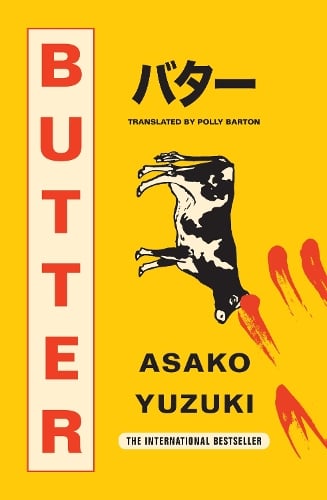
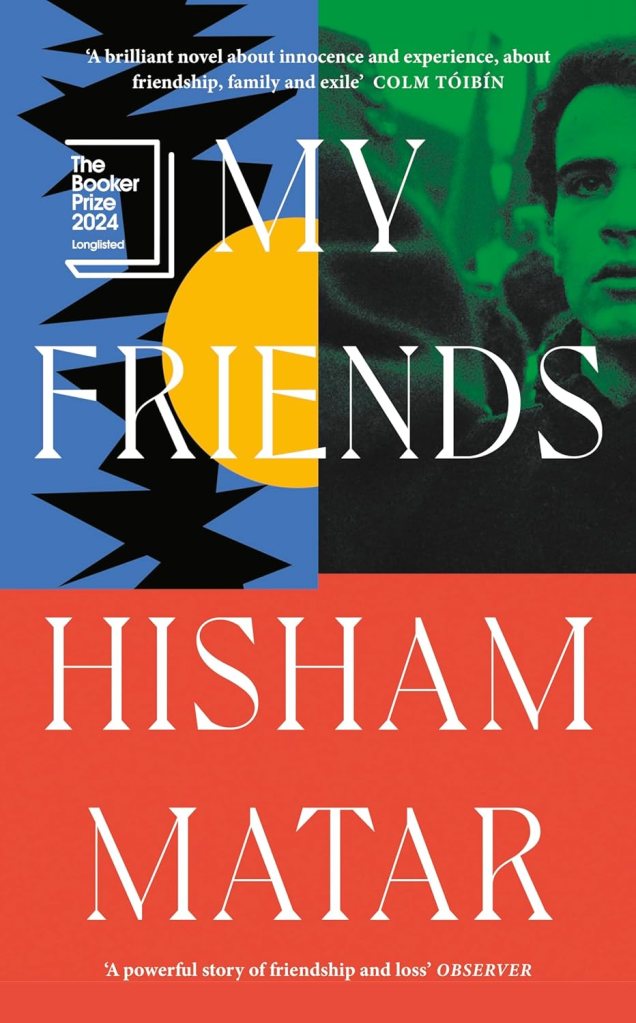





 The Original Writers Group